
Sep 1, 2026
Why Choose ASTM A789 UNS S32750 Welded Steel Pipe for Seawater Systems?
When you're designing seawater systems that must operate reliably for decades, material selection becomes critical. ASTM A789 UNS S32750 Welded Steel pipe delivers exceptional corrosion resistance and mechanical strength specifically engineered for marine environments. This super duplex stainless steel combines a balanced microstructure of austenite and ferrite, providing roughly double the strength of conventional austenitic grades while resisting chloride-induced corrosion, pitting, and stress corrosion cracking. For offshore platforms, desalination plants, and marine infrastructure where failure isn't an option, this material represents the most dependable long-term investment.
|
|
|
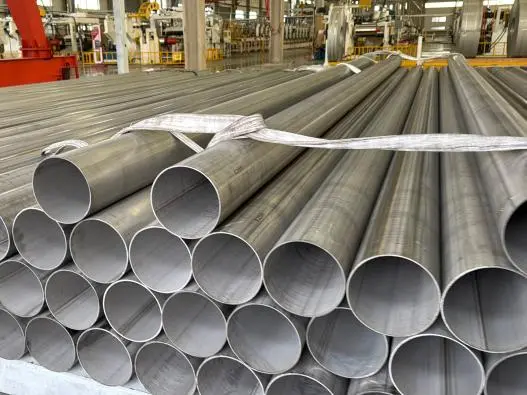
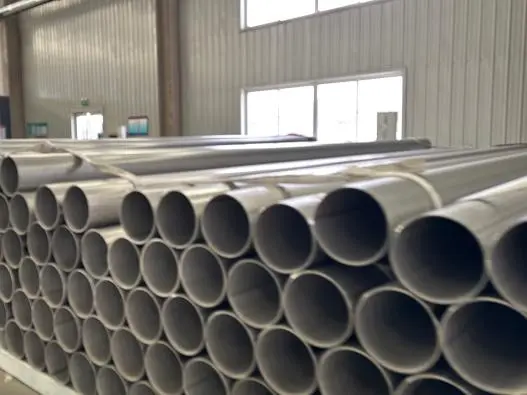
Understanding ASTM A789 UNS S32750 Welded Steel Pipe
Super duplex stainless steel is a big step forward in the field of materials engineering. The amazing performance of the UNS S32750 metal comes from its carefully controlled chemical makeup, which includes about 25% chromium, 7% nickel, 4% molybdenum, and 0.27% nitrogen. Together, these parts make a protective passive layer that is much better at withstanding harsh seawater conditions than regular stainless steel options.
Balanced Microstructure for Superior Performance
This is what makes super duplex steel unique: its dual-phase microstructure. Solution annealing and water quenching are two processes used to make things at YOUFA. These processes create the best balance of 40–60% between the ferrite and austenite phases. This balance isn't just a technical detail; it has direct benefits in the real world. The austenitic phase makes the metal tough and resistant to rust, while the ferritic phase gives it great strength and protection against stress corrosion cracking. Together, they make a material that always works well in the roughest marine settings.
Mechanical Strength That Outperforms Alternatives
When purchasing professionals look at pipe materials for seawater systems, they need data that can be measured to show how well they work. The tensile strength of super duplex S32750 is more than 116 ksi (800 MPa), and the yield strength is more than 80 ksi (550 MPa). These numbers are important because they let you use thinner wall sections with the same pressure ratings. This makes the system lighter and cheaper to install. When YOUFA uses electric fusion welding (EFW) to make welded super duplex pipes, they keep the same level of strength as seamless pipes while being cheaper for large-diameter uses.
Standard Dimensions and Specifications
The ASTM A789 standard has detailed rules for making, testing, and making sure the quality of duplex and super duplex welded pipes. Outside widths that YOUFA can make range from 114.3 mm to 2500 mm, and wall thickness is based on the plate specs. This range has most of what a seawater system needs, from small distribution lines to big entry and discharge pipes. Pipes go through strict non-destructive tests, such as eddy current examination and hydrostatic testing at 1.5 times the design pressure, to make sure the weld strength meets the strict requirements for marine and underwater use.
Why ASTM A789 UNS S32750 Excels in Seawater Systems
The salty water in the ocean is one of the most damaging places for pipes. Normal materials are broken down by chloride concentration, dissolved oxygen, changes in temperature, and biological activity. The Super Duplex S32750 solves these problems with a number of defense mechanisms that make the system last longer and require less maintenance.
Superior Resistance to Localized Corrosion
Pitting and crevice corrosion are major causes of failure in marine piping systems. The Pitting Resistance Equivalent Number (PREN), calculated from the chromium, molybdenum, and nitrogen content of a material, is commonly used to compare resistance to localized corrosion. The PREN of super duplex S32750 is typically above 40, compared with approximately 35 for duplex 2205 and 24 for 316L. For demanding seawater applications, ASTM A789 UNS S32750 Welded Steel pipe can provide strong resistance to pitting and crevice corrosion when properly specified. ASTM G48 Method A ferric chloride testing can be used to evaluate localized corrosion resistance under controlled laboratory conditions. The corrosion-resistant characteristics of ASTM A789 UNS S32750 Welded Steel pipe make it suitable for marine and offshore systems exposed to chloride-rich environments. With appropriate material selection and engineering controls, ASTM A789 UNS S32750 Welded Steel pipe can support reliable long-term service in tropical seawater applications. ASTM A789 UNS S32750 Welded Steel pipe is therefore a practical option for projects where localized corrosion resistance is a key performance requirement.
Stress Corrosion Cracking Resistance
Stress corrosion cracking caused by chloride has destroyed naval equipment made of austenitic stainless steel. The ferritic part of the super duplex substructure makes it naturally resistant to this way of breaking down. Systems that work in warm waters and are subject to continuous tensile stress—conditions that would weaken austenitic grades—continue to work consistently with S32750. This resistance gets rid of a big unknown in lifecycle planning, so long-term use is safe and there are no worries about replacing things too soon.
Proven Performance in Marine Applications
Offshore oil and gas sites that work all over the world have proven that super duplex technology works for decades. Platforms in the Gulf of Mexico, the North Sea, and Southeast Asia use S32750 for firewater networks, cooling circuits, and devices that pump seawater. These real-life uses show that the material can stay strong even when exposed to heat and cold, mechanical stress, and salt for a long time, which would break down lesser materials in years instead of decades.
Comparison and Decision-Making: ASTM A789 UNS S32750 vs Other Pipes
There needs to be a balance between the original input and the costs over the life of the material. Knowing how the super duplex S32750 stacks up against other options helps procurement teams make smart choices that meet the needs of the project and stay within the budget.
Super Duplex vs Standard Duplex 2205
Duplex 2205 (UNS S31803/S32205) is less expensive than super duplex types and has good corrosion protection. This material works well in mild seawater situations where the temperature is managed and the chloride stress is low. When temperatures consistently rise above 20°C, when higher mechanical strength allows thinner walls, or when maximum service life justifies the extra cost, super duplex S32750 is the only choice. The performance gap gets a lot bigger in warm seawater, brackish water with changing pH, or situations where there are cracks and stillness where rust can start.
Super Duplex vs Austenitic 904L
In some situations, high-alloy austenitic 904L can compete with super duplex because it is so resistant to corrosion. But 904L isn't as strong as S32750 mechanically, so it needs bigger walls to have the same pressure values. In chloride settings, the austenitic structure is still prone to stress corrosion cracking, especially when it is insulated or in shapes that create leftover stress. While 904L might work in some chemical processing situations, super duplex is better for seawater systems because it is stronger and more resistant to corrosion overall.
Welded vs Seamless Pipe Considerations
In the past, important uses required seamless pipe to avoid problems caused by welds. This equation has changed thanks to new welding technology and strict quality control. YOUFA's electric fusion welding method, along with solution annealing and strict testing procedures, creates welded super duplex pipe that performs as well as smooth options. Full traceability is provided by material test reports, welding process standards, and documents for ultrasonic and radiographic testing. Welded super duplex is the only way to get the best performance in large-diameter seawater systems where seamless pipe manufacturing isn't possible.
Procurement Insights for ASTM A789 UNS S32750 Welded Steel Pipes
Finding the right material standard is only one part of a successful buying process. Choice of supplier, quality control, and management of the supply chain all have a direct effect on the results of a project.
Evaluating Manufacturer Qualifications
Some producers may not have the technical expertise and quality-control systems required for consistent super duplex production. When evaluating suppliers of ASTM A789 UNS S32750 Welded Steel pipe, potential providers should demonstrate appropriate quality-management certifications, applicable pressure-equipment compliance, and independently verified testing capabilities. YOUFA operates an ISO 17025-certified laboratory and also holds TÜV certification, supporting testing practices aligned with internationally recognized standards. Manufacturing experience is another important consideration when sourcing ASTM A789 UNS S32750 Welded Steel pipe. Facilities with annual production volumes of around 50,000 tons can develop extensive process knowledge and production consistency through continuous manufacturing experience. For buyers of ASTM A789 UNS S32750 Welded Steel pipe, reviewing certifications, laboratory capabilities, production capacity, and quality-control procedures can help identify suppliers capable of maintaining reliable product standards. A qualified manufacturer can provide ASTM A789 UNS S32750 Welded Steel pipe with consistent testing, traceability, and production controls for demanding industrial applications.
Essential Documentation for Quality Assurance
For complete material tracking, each package must come with a lot of paperwork. Material test reports (MTR) that follow the rules in EN 10204 3.1 or 3.2 make sure that the chemical make-up and mechanical qualities are correct. Specifications for the welding process and records of the approval of that process show that the maker has checked and approved their joining methods. The conditions for heat treatment are written down on manufacturing process sheets. Reports from non-destructive tests show the soundness of the weld. This paperwork isn't just extra work for the government; it's needed for engineering acceptance, regulatory compliance, and planning long-term maintenance.
Lead Times and Logistics Considerations
Super duplex pipe is a specialized product that needs to be carefully planned. Standard types of duplex may be able to ship from stock, but super duplex usually needs to be made to order. YOUFA keeps its production flexible by requiring only one pipe as a minimum order quantity for prototypes. For urgent needs, delivery to Tianjin Port can be made within seven days. Early in the planning process, project planners should talk to suppliers to make sure they are available and set shipping times that work with the building schedule. Global shipping from Chinese manufacturers to U.S. destinations usually takes six to eight weeks, so you need to buy things ahead of time.
Best Practices for Selecting and Using ASTM A789 UNS S32750 Welded Pipes
For the best result, it's not enough to just choose the right material. Application planning, installation best practices, and upkeep guidelines make sure that your investment lasts as long as it's supposed to.
System Design Considerations
When designing a seawater system using ASTM A789 UNS S32750 Welded Steel pipe, cracks, stagnant areas, and locations where debris can accumulate should be minimized. Even with the high corrosion resistance of super duplex stainless steel, these geometric features can create localized environments that increase corrosion risk. Flow velocities should remain within appropriate limits to reduce erosion, while stagnant periods should be avoided to limit biological growth and deposits around ASTM A789 UNS S32750 Welded Steel pipe. When joining dissimilar metals, galvanic compatibility is also important, so engineers should plan for electrical isolation or select compatible fasteners and fittings. In marine cathodic protection systems, the corrosion resistance of ASTM A789 UNS S32750 Welded Steel pipe should be considered carefully to avoid excessive protection that could increase the risk of hydrogen-related damage. Proper system design and installation help ASTM A789 UNS S32750 Welded Steel pipe maintain reliable performance in seawater environments.
Installation and Welding Requirements
To solder super duplex pipe in the field, you need to follow certain steps and have trained people do the job. Joint preparation, controlled heat input, and inspection after the weld make sure that the qualities of the weld fit the performance of the base material. The composition of the shielding gas, the lowest temperature that can be reached between passes, and the cleaning methods used after the welding process can all change the resistance to corrosion and the mechanical properties. YOUFA offers professional support, such as suggestions for welding procedures and on-site commissioning help, to help workers avoid common mistakes that weaken the system's integrity. A third-party inspection during installation makes sure that the installation meets the requirements and provides proof for regulatory approval.
Maintenance Strategies for Long-Term Reliability
Maintenance for super duplex systems is less than for other types, but problems are more likely to happen if you don't do it. Welds, flanged connections, and areas that get worn down by mechanical forces should be inspected on a regular basis to find problems before they become failures. Biological fouling in seawater systems can cause localized rusting under layers; keeping the protective passive films clean on a regular basis is important. When fixes are needed, the quality of the original creation should be matched through steps like the right heat treatment and testing. Keeping records of inspections, maintenance work, and repairs creates a performance history that can be used for lifecycle management and making decisions about future purchases.
Conclusion
Seawater systems need materials that can perform reliably for decades under some of the harshest conditions faced by industrial equipment. Many marine applications have demonstrated the advantages of super duplex stainless steel, particularly its combination of corrosion resistance, mechanical strength, and long service life. ASTM A789 UNS S32750 Welded Steel pipe is well suited to demanding applications such as offshore platforms, desalination plants, and coastal infrastructure where chloride exposure is a major concern. YOUFA's industrial experience, comprehensive quality systems, and customer support capabilities help ensure that ASTM A789 UNS S32750 Welded Steel pipe meets specified requirements and performs consistently with engineering expectations. For critical seawater applications where reliability is essential, ASTM A789 UNS S32750 Welded Steel pipe provides a strong combination of technical performance and dependable manufacturing. Properly selected and manufactured ASTM A789 UNS S32750 Welded Steel pipe can support long-term service while helping reduce corrosion-related maintenance and unplanned downtime.
FAQ
What distinguishes super duplex S32750 from standard stainless steel?
Super duplex stainless steel has more chromium, molybdenum, and nitrogen than standard austenitic grades. This makes it more resistant to corrosion, especially from chloride. The two-phase microstructure is about twice as strong as 316L. This means that smaller walls and lighter systems are possible, and the material doesn't crack from stress corrosion, which happens to austenitic materials in saltwater.
How does heat treatment affect welded super duplex pipe performance?
Solution annealing at controlled temperatures followed by water quenching finds the best balance of ferrite and austenite, which is necessary for super duplex properties. If the heat treatment isn't done right, it can make too much ferrite, which lowers the resistance to rust and hardness. The way YOUFA makes its products includes tested heat treatment methods and microstructure analysis according to ASTM E562, which shows that the phases are balanced.
Where can I purchase certified ASTM A789 S32750 pipe for seawater applications?
Quality and dependability are guarantyd when you choose an experienced ASTM A789 UNS S32750 Welded Steel pipe manufacturer with a track record of success. Check that suppliers have ISO9001, PED, and accredited labs that can do the work. They should also have full paperwork, such as material test records and non-destructive testing results that prove they meet the requirements.
Partner with YOUFA for Your Seawater System Requirements
Youfa Stainless Steel Pipe Co., Ltd. offers super duplex piping solutions that meet the strictest requirements by combining advanced manufacturing skills with full quality systems. With 15 production lines and a yearly capacity of 50,000 tons, along with ISO9001, PED, and TÜV certifications, we can guaranty quality and on-time delivery for any size job. Whether you need a single prototype pipe or a whole system, our expert team can help you from choosing the materials to ordering the installation. As a reliable seller of ASTM A789 UNS S32750 Welded Steel pipes to customers around the world, we know how important seawater system infrastructure is and only send goods that work as promised. You can talk to our team about your needs and get full technical specs that are made just for your application by emailing info@youfass.com or visiting youfass.com.
Online Message