
Aug 26, 2026
What Makes ASTM A358 310S Pipes Ideal for Furnace Applications?
When your furnace operates at extreme temperatures where ordinary piping fails, you need materials engineered to endure. ASTM A358 310S Electric Fusion Welded Steel Pipes deliver exceptional performance in high-temperature industrial environments, combining superior oxidation resistance with robust structural integrity. The 310S grade contains elevated chromium (24-26%) and nickel (19-22%) content, enabling these pipes to withstand continuous exposure up to 1150°C without significant degradation. Their electric fusion welded construction provides cost-effective manufacturing while maintaining the strength and resistance to corrosion essential for furnace applications in petrochemical processing, power generation, and heat treatment facilities.
|
|
|
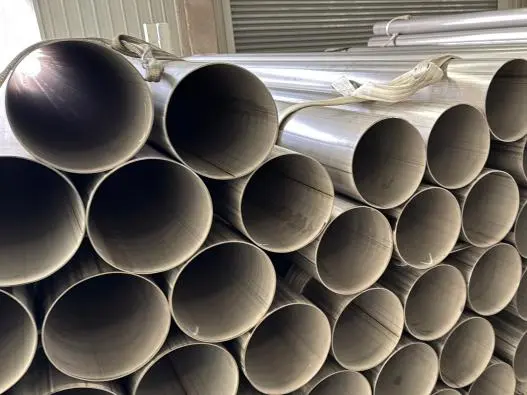
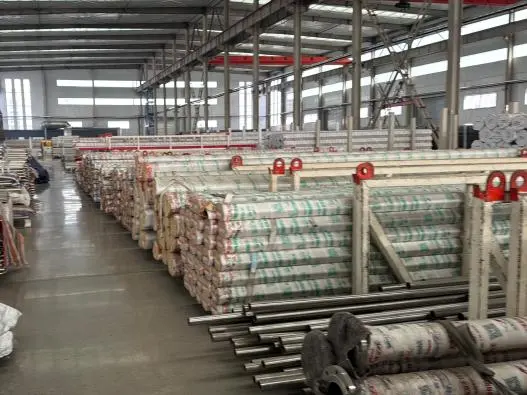
Understanding ASTM A358 310S Electric Fusion Welded Steel Pipes
Chemical Composition and Material Properties
An important part of ASTM A358 310S Electric Fusion Welded Steel Pipes is that they are made of austenitic stainless steel. A chromium content of between 24% and 26% creates an oxide layer that protects against scaling and oxidation at temperatures where regular stainless steels break down. Nickel, which is present at 19% to 22%, keeps the austenitic structure stable and makes the metal more flexible, even after being heated for a long time. The 'S' version keeps the carbon content below 0.08%, which prevents carbide precipitation that would weaken corrosion protection in areas that are heated.
This chemical balance means that the material has the right mechanical traits for use under pressure. The minimum tensile strength is 515 MPa, and the minimum yield strength is 205 MPa. The material keeps its elasticity properties well, so it can expand and contract with temperature changes without breaking. These features make sure that pipes can handle the mechanical loads that come with running a boiler where temperatures change often.
Electric Fusion Welding Process Advantages
Electric fusion welding exactly heats the edges of plates until they melt, then fuses them together under controlled pressure. This makes lengthwise seams. This way of making things is very different from TIG or submerged arc welding. The process makes it possible to make pipes with diameters between 114.3 mm and 2500 mm that would not be realistic or would be too expensive to make as seamless goods. The quality of the weld depends on how well the edges are prepared, how well the heat is controlled, and how well the filler metal is chosen to match the composition of the base material.
After welding, the grain is improved, and leftover stresses are relieved by heat treatment. Any chromium carbides are broken up, and the structure is evened out by solution annealing at temperatures between 1040°C and 1150°C. Rapid cooling stops carbide from reforming, which keeps the pipe body and weld zone resistant to rust. This treatment after welding makes sure that the performance of welded pipes is similar to that of seamless pipes, and it also makes them more cost-effective for large-diameter uses.
Mechanical Testing and Verification Standards
The ASTM A358 standard requires strict testing methods to make sure that pipes are solid. Every pipe is X-rayed or sonically scanned to find any problems with the weld on the inside, like holes, poor fusion, or slag inclusions. Hydrostatic pressure testing makes sure that pipes can safely hold fluids at working pressures. These pressures are usually tested at levels that are much higher than what is needed for operation. Tensile testing and directed bend tests are used to make sure that the weld zone fits the performance of the base metal.
Chemical analysis proves that the makeup meets the standards, which stops material substitution or bad alloying. Dimensional inspection makes sure that the outside diameter, wall thickness, and length tolerances needed for installation are met. This thorough testing process, which is shown on Material Test Certificates (MTC) that meet EN 10204 3.1 or 3.2 standards, gives procurement teams the quality assurance and traceability they need for important applications.
Core Benefits of ASTM A358 310S Pipes for Furnace Applications
Superior Oxidation and Carburization Resistance
Pipes in furnaces are exposed to oxidizing atmospheres, sulfur compounds, and carburizing conditions that break down less durable materials quickly. The high amount of chromium in 310S grade creates a strong chromium oxide scale that can grow back even after being broken by force. This layer of protection stays stable over a wide temperature range. It stops the base metal from oxidizing, which would weaken pipe walls and make pressure containment less effective.
Carburization resistance is critical in furnaces processing carbon-rich atmospheres or hydrocarbons, and ASTM A358 310S Electric Fusion Welded Steel Pipes address this challenge effectively. When carbon penetrates steel, it embrittles the material and causes dimensional changes that can precipitate premature failure. The high-nickel austenitic matrix of 310S resists carbon diffusion more effectively than ferritic or lower-nickel austenitic grades. This resistance translates into substantially extended service life, reducing unplanned outages and replacement costs that diminish operational efficiency.
Thermal Cycling Durability and Structural Stability
Furnaces don't usually keep the same temperature. As parts expand and contract, they are subjected to thermal stresses caused by process changes, startup and shutdown cycles, and maintenance work. The austenitic structure of 310S keeps it flexible across a wide range of temperatures, so it can handle thermal strain without getting fatigue cracks. This resistance to thermal cycling lasts longer than ferritic stainless steels, which break down at high temperatures or experience thermal wear.
When compared to other types, such as 304H or 321, the 310S makeup has better resistance to creep. When materials permanently change shape under long-term stress at high temperatures, this is called creep distortion. The higher metal content in 310S slows down creep rates, so it stays stable in size and under pressure for longer periods of time. This advantage is very important when replacing pipes requires expensive furnace shutdowns.
Cost-Effectiveness Through Electric Fusion Welding
The economics of manufacturing have a big effect on the total cost of a project, especially for systems with large diameter pipes. For pipes with diameters greater than 300 mm, ASTM A358 310S Electric Fusion Welded Steel Pipes are much cheaper than seamless pipes. Plate-forming and welding use less raw material and energy than extrusion or cutting, which are two other ways to make smooth pipes. These savings directly lead to lower costs for buying things, without affecting how well they work in furnaces.
Worries about the quality of welded pipe in the past have been put to rest by new welding technology and strict inspection rules. When made correctly and tested according to ASTM A358 standards, electric fusion welded pipes work the same way as seamless pipes in temperature and pressure service. Welds are guaranteed to meet engineering standards when full documentation, such as Welding Procedure Specifications (WPS) and Procedure Qualification Records (PQR), is available. Welded 310S pipe is the best choice for burner setups because it is both cheap and reliable.
Manufacturing and Quality Assurance of ASTM A358 310S Pipes
Dimensional Specifications and Tolerances
There are five types of ASTM A358 310S Electric Fusion Welded Steel Pipes, each with a different level of quality and a different purpose. Class 1 pipes go through the strictest inspections, which include a full X-ray and hydraulic testing. This means they can be used in critical pressure situations. With outside widths ranging from 114.3 mm to 2500 mm and wall thicknesses ranging from 3 mm to 50 mm, the range of sizes can fit a variety of furnace designs. You can choose random lengths for common uses or fixed lengths cut to your exact specifications for easier installation.
Controlling the tolerances makes sure that the fit is right during field erection. Outside width tolerances are usually between ±0.5% and ±1.0%, based on the size of the pipe. Wall thickness tolerances are tighter, at +20%/-0%, to avoid under-specification. Straightness requirements limit bow to 0.2% of the total length, which makes it easier to line up pipe runs. These controlled measurements cut down on the time it takes to make things in the field and on problems with welds that can happen during installation.
Rigorous Testing Protocols and Certification
Before any shaping can happen, the chemical and mechanical properties of the steel plate must be checked to make sure they meet quality standards. In-process controls keep an eye on welding factors, heat treatment temperatures, and cooling rates during production to make sure quality stays the same. There are several ways to check that the pipe is still solid during the final inspection.
Ultrasonic testing detects internal discontinuities through sound wave reflection, while radiographic examination creates permanent film records of weld quality for ASTM A358 310S Electric Fusion Welded Steel Pipes. Hydrostatic testing applies internal pressure at 1.5 times design pressure for a specified duration to confirm leak-free construction. Mechanical testing of specimens cut from production lots verifies tensile properties. Intergranular corrosion testing per ASTM A262 confirms resistance to sensitization. Optical emission spectrometry analysis verifies elemental composition within specification limits.
Certification Standards and Manufacturer Selection
Reputable makers keep certificates that show they follow the quality management system. Having ISO 9001 certification means that the process is controlled in a planned way and that the process is always getting better. Compliance with the Pressure Equipment Directive (PED) makes it possible to sell on European markets, and TÜV inspections make sure that the standard of the production is checked by a third party. ISO 17025 certification for testing labs makes sure that measurements are correct and results can be trusted.
When procurement teams choose a manufacturer or supplier, they should check these certifications and ask for proof that they are valid. Factory audits use a lot of time and money, but they let you see directly how production works and how quality is handled. Manufacturers that have been around for a while and have a lot of production capacity—for example, facilities with 15 production lines that can make 50,000 tons of goods a year—have the size and experience to deliver quality products every time. When compared to multi-tier distribution networks, direct factory connections or OEM partnerships can make it easier to buy things, communicate better, and keep the supply chain simpler.
Comparison and Procurement Insights for B2B Buyers
Electric Fusion Welded vs. Seamless 310S Pipes
Which pipe to use—welded or seamless—depends on the job, the materials that are available, and your budget. Since they don't have any horizontal welds, seamless pipes made to ASTM A312 specifications should be regular. This design works well in situations where there are great changes in pressure or where it's important to be sure that the pressure around the whole thing is constant. However, seamless pipe is less common in widths bigger than 300 mm, and the prices go up a lot beyond that.
When made and tested correctly, ASTM A358 310S Electric Fusion Welded Steel Pipes work just as well, especially in static or slowly changing pressure situations like those found in furnaces. The lengthwise weld has the same mechanical qualities as the base material when it is done correctly and checked with an X-ray or other imaging method. Compared to smooth options, these save 20% to 40% on costs, which lets the budget be used for other project needs without affecting safety or dependability.
Strategic Procurement Considerations
The prices of 310S pipes are based on the costs of raw materials, the difficulty of making them, and the state of the market. Nickel and chromium prices change with the global commodity markets, which makes quotes less reliable. This fluctuation should be taken into account in procurement strategies by using fixed-price agreements for the length of a project or building up inventory strategically when market conditions are good. Minimum order quantities can be as low as one pipe for a prototype or repair job or as high as a truckload or a container for a large project. Higher quantities can get you discounts.
Lead times depend on how busy the maker is and how complicated the specifications are. Standard sizes in common grades can usually be shipped within 7 to 14 days from stock, but it can take up to 8 weeks for special sizes or less common specs to be made. These schedules should be used in project planning, and buying tasks should be started early in the project schedule to avoid delays on the key path. When time constraints make it worth the extra cost, expedited production may be offered at a higher price.
Identifying Qualified Suppliers and Distributors
There are different levels of quality and service among the manufacturers, distributors, and trading companies that work in the global stainless steel pipe market. Working directly with certified manufacturers can help with technical issues, making changes, and keeping records for accountability. Distributors keep standard products in stock locally and can deliver them faster, but they may not have enough technical resources to help with custom products. Trading companies can combine smaller orders or find unique things, but they have to add markups that make the prices go up.
Supplier qualification for ASTM A358 310S Electric Fusion Welded Steel Pipes should assess factory capabilities through quality control procedures, facility certifications, and production equipment specifications. Request sample Material Test Certificates to verify documentation completeness and accuracy. References from current customers in related industries provide insight into service reliability and problem resolution responsiveness. Developing relationships with multiple qualified sources enhances supply chain stability and maintains competitive pricing and service levels.
Practical Applications and Case Studies in Furnace Environments
Petrochemical Processing and Refining Operations
ASTM A358 310S Electric Fusion Welded Steel Pipes are used a lot in reforming furnaces, cracking units, and thermal oxidizers at petrochemical plants where process streams reach temperatures over 900°C. In these uses, pipes are exposed to hydrocarbon atmospheres, changes in temperature during startup and shutdown, and upset conditions that might be temporarily higher than what was planned. The oxidation resistance and thermal stability of 310S grade stop scale from forming, which would stop flow or get oxide particles into process streams.
When adding to existing pipe systems, it's important to make sure that heat expansion is taken into account by making sure that the support space and expansion loop design are correct. When you weld during installation, you need to follow certain steps that keep the qualities of the base material in place where heat has been applied. Preheating and post-weld heat treatment may be needed based on the thickness of the pipe wall and the temperature and humidity in the area. Even tho they require skilled labor, these installation factors ensure long-term dependability that makes the original investment worthwhile.
Power Generation and Industrial Boiler Systems
In the superheater and reheater parts of power plants and industrial steam generation facilities, where steam temperatures are getting close to the limits of what normal metals can handle, 310S pipes are used. The high temperature, oxidizing steam climate, and interior pressure make for tough working conditions. Field experience shows that 310S pipes that are properly specified and installed can last more than 100,000 hours of operation with little maintenance.
Engineers are especially happy with how well the material resists steam-side oxidation. This type of oxidation doesn't make thick, flaking oxide scales as it does with lower-alloy materials; instead, it makes thin, stick-on oxide scales. This feature keeps heat transfer working well and keeps tubes from getting clogged, which would require the unit to be shut down. The economic benefit of not having to deal with outages far outweighs any extra cost for materials compared to other metals that have shorter service lives.
Heat Treatment and Thermal Processing Equipment
310S pipes are used to heat the air before burning, build recuperators, and handle exhaust gases in heat treatment ovens used for metal processing, pottery firing, and glass annealing. The metal is stable in temperature ranges where regular stainless steels break down quickly, which is useful for these uses. People who work in maintenance like that 310S parts don't need to be inspected or replaced as often, which frees up resources for other equipment needs.
When looking for pipes for these important uses, procurement managers stress how important it is to have all the paperwork you need. Traceability through heat numbers, full chemistry analysis records, and mechanical test results helps with following the rules and failure analysis in case something goes wrong. Manufacturers who offer complete paperwork packages that include reports from third parties show the quality commitment that long-term relations need.
Conclusion
In conclusion, ASTM A358 310S Electric Fusion Welded Steel Pipes are the best choice for furnace applications that need high-temperature performance and resistance to corrosion. They are essential in petrochemical processing, power production, and industrial heating systems because they don't oxidize easily, last a long time through thermal cycles, and keep their shape under pressure. Electric fusion welding is a cheap way to make things without sacrificing quality. This is especially true for large-diameter pipes where seamless options become too expensive. These pipes meet the strict needs of important industrial uses thanks to thorough approval and strict testing methods. If you buy 310S welding pipes from reputable companies with established quality systems, they will last a long time and work reliably, which will save you money on upkeep and increase your furnace's uptime.
FAQ
What temperature range can ASTM A358 310S pipes withstand in continuous service?
Up to 1150°C (2100°F), ASTM A358 310S Electric Fusion Welded Steel Pipes keep their shape and don't rust when they are used continuously. It is possible for it to be exposed to slightly higher temperatures from time to time, but long-term use above this point may speed up oxidation and shorten the service life. The exact temperature limit for your application depends on a number of other things, such as the composition of the air, the pressure, and how often the temperature changes.
How do electric fusion welded pipes compare to seamless pipes for furnace applications?
When made according to ASTM A358 standards and inspected properly, electric fusion welded pipes work just as well in furnaces as smooth pipes. The whole lengthwise weld is checked with X-rays or ultrasound waves, and it is then heated to make sure that the properties of the weld zone match those of the base material. When the width is bigger, welded pipes are much cheaper, but they still have the dependability needed for high-temperature uses that are very important.
What documentation should I expect when I buy these pipes?
Material Test Certificates (MTC) that meet EN 10204 3.1 or 3.2 standards are part of the complete paperwork. These certificates have full chemical analyses, mechanical test results, heat treatment records, and data on measurements. Welding Procedure Specifications (WPS), Procedure Qualification Records (PQR), and third-party inspection reports are some of the other documents that help with quality control and full traceability for project specifications.
Partner with YOUFA for Reliable 310S Welded Pipe Solutions
YOUFA sells approved ASTM A358 310S Electric Fusion Welded Steel Pipes that come with full technical support and quality guarantee. Our ISO 9001, PED, and TÜV certifications show that we are dedicated to making the best products possible, and our ISO 17025-accredited laboratory makes sure that all of our testing and verification is done correctly. We can handle jobs of any size with consistent quality and on-time delivery thanks to our 15 production lines and 50,000-ton yearly capacity. Our team offers quick technical help, full documentation packages, and OEM customization options, whether you need a single pipe for upkeep or a lot of pipes for a project. Visit youfass.com or email our experienced sales team at info@youfass.com to talk about your unique needs and get a thorough quote. As a top ASTM A358 310S Electric Fusion Welded Steel Pipes maker, we can help you with your furnace needs by providing materials that are made to handle harsh conditions.
Online Message