
Aug 18, 2026
What Industries Use ASTM A358 309S Steel Pipes for Production Systems?
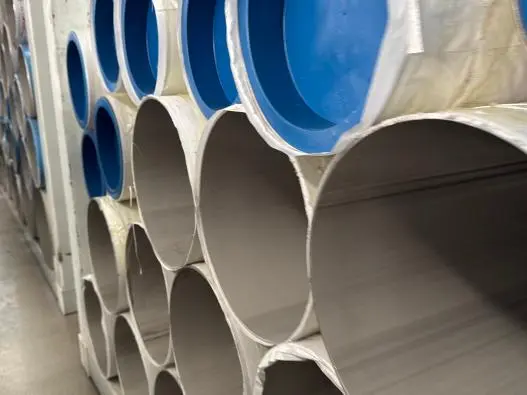
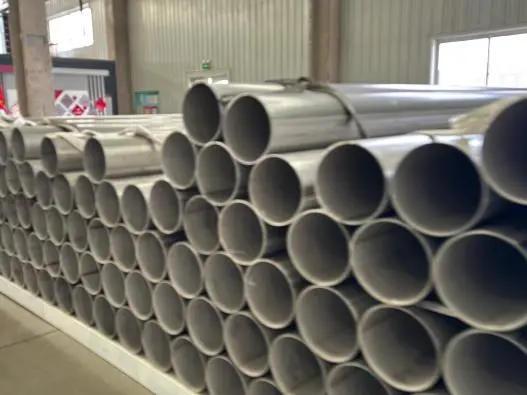
ASTM A358 309S Stainless Weld Steel Pipes serve a wide range of industries requiring high-temperature resistance and corrosion protection in critical production systems. Chemical processing, petrochemical refining, power generation, and metallurgical operations rely on these electric fusion welded pipes for their exceptional oxidation resistance up to 1000°C. New energy sectors—particularly hydrogen production and fuel cell manufacturing—utilize 309S grade for electrolysis systems and bipolar plate production. Automotive battery module suppliers and aerospace component manufacturers also depend on this grade's mechanical strength and long-term durability in demanding thermal and corrosive environments.
|
|
|
Understanding ASTM A358 309S Stainless Weld Steel Pipes
The ASTM A358 standard describes how to weld austenitic stainless steel lines that are designed to work under pressure at high temperatures and in acidic environments. The number 309S stands for a heat-resistant grade with a chromium content of 22–24% and a nickel content of 12–15%. This grade is better at resisting rust than regular 300-series metals. It is reliable that this composition works in places where other grades would fail.
Chemical Composition and Material Properties
309S is different from regular 309 metal because it has a controlled carbon level below 0.08%. This low carbon standard stops carbide from forming during welding, so the material stays flexible and strong in areas that have been heated. The minimum tensile strength of the material is 515 MPa, and the minimum yield strength is 205 MPa. This means that it meets the strict structural requirements for use in pressure pipes. Its melting point is between 1398 and 1454°C, and its mass is 8 grams per cubic centimeter. This makes it stable over a wide range of temperature changes.
Manufacturing Process and Quality Standards
Filler metal is added during electric fusion welding to make horizontal gaps that can be fully scanned by X-ray. With this method of fabrication, pipes with diameters from 114.3 mm to 2500 mm can be made that perform as well as seamless pipes but cost less. There are different wall thickness options, ranging from 3 mm to 50 mm, to meet different service conditions and pressure ratings. The ISO 17025-accredited laboratory at YOUFA checks the quality of every production lot by analyzing the chemicals, testing the mechanical properties, and looking at the products without damaging them. This way, everything can be tracked from the raw materials to the finished goods.
Corrosion Resistance in Harsh Environments
The high chromium-nickel matrix creates an oxide layer that protects against attack from sulfurous compounds, chloride-containing solutions, and oxidizing acids that oxidize. When the right filler materials and heat treatment steps are used, weld joints keep the same level of rust protection as the base metal. Because of this, 309S grade is perfect for chemical reactors, distillation columns, and transfer lines that work with aggressive materials at high temperatures.
Industries That Commonly Use ASTM A358 309S Steel Pipes
These ASTM A358 309S Stainless Weld Steel Pipes are used in many industries in production systems where a failure of the material would pose serious safety risks, damage the environment, or require extended downtime. When combined, thermal stability and corrosion resistance solve certain problems in a wide range of industrial settings.
Chemical and Petrochemical Processing
At temperatures above 600°C, refineries and chemical plants use corrosive substances in continuous processes. In catalytic cracking units, 309S grade is used for heat exchanger shells, reactor feed lines, and renewal pipes because it can handle changing temperatures and chemicals. In fluid catalytic cracking and hydroprocessing, the material's resistance to sulfidation and oxidation makes it last longer. These pipes are used in electrolytic cell systems at electroplating plants where acid protection and physical stability are very important.
Power Generation Systems
Piping in utility-scale and industrial power plants must maintain structural stability despite temperature and pressure cycling over extended periods, and ASTM A358 309S Stainless Weld Steel Pipes provide the creep resistance and oxidation stability required for boiler feedwater systems, superheater sections, and steam distribution networks. This grade's resistance to thermal fatigue and scale formation is particularly valuable in combined-cycle plants where exhaust gases exceed 800°C. The material performs consistently in waste-to-energy facilities, even where combustion byproducts present aggressive conditions.
New Energy and Hydrogen Economy
For water electrolysis to produce hydrogen, materials must be able to withstand corrosion from acidic or alkaline electrolytes while still being able to conduct electricity. Because it is electrochemically stable, 309S is used in fuel cell stack parts, gas distribution manifolds, and cooling loops in electrolyzer systems. These pipes are used in thermal management systems and chemical processing equipment for making electrodes in companies that make batteries. In the automotive industry, they are used in production lines for hydrogen storage tanks and circuits that cool battery modules, where safety and durability must not be compromised.
Metallurgical and Industrial Processing
Pipes are exposed to molten salts, metal fumes, and high-temperature oxidizing atmospheres in places that work with copper electrolysis, aluminum reduction, and metal manufacturing. The temperature shock protection of 309S makes it useful for furnace cooling systems, molten metal transfer lines, and handling exhaust gases. Controlled atmosphere furnaces with pipe systems that keep gases pure and temperatures even are used in heat treatment facilities that work on aircraft parts and precision parts. For these uses, you need materials that won't get in the way of the process or break when heated up.
Comparing ASTM A358 309S With Other Stainless Steel Grades for Industrial Use
Knowing how different grades of stainless steel work helps procurement teams choose materials that meet business needs while minimizing costs over their lifetime. The austenitic stainless steel family has a wide range of temperature ranges, rust protection, and cost-effectiveness.
Performance Against Standard Grades
Grade 304 can be used for many things up to 600°C, but it doesn't have the high-temperature oxidation resistance that is needed for long-term exposure above 800°C. The 22% chromium percentage in 309S makes it much more resistant to scaling than 304, which only has 18% chromium. 316 is better at resisting chloride rust because it has more molybdenum in it, but 309S is better at handling high temperatures and oxidizing conditions. While Grade 310S can handle higher temps than 309S (up to 1150°C), it is more expensive, so 309S is the better option for uses below 1000°C.
Clarifying 309 Versus 309S Specifications
The standard 309 alloy allows up to 0.15% carbon content, but 309S only lets 0.08% carbon content. This difference has a big effect on how welding works and how easily intergranular rust can happen. Its lower carbon content stops carbides from forming during welding and high-temperature exposure, so it keeps its corrosion resistance in areas that are more likely to rust. 309S is better for projects that need a lot of field welding or heat treatment after the weld because it is less likely to crack.
Cost-Effectiveness in Long-Term Operations
Material selection for ASTM A358 309S Stainless Weld Steel Pipes requires weighing initial procurement costs against maintenance and replacement frequency. While 309S commands a premium over 304 or 316, its extended service life in high-temperature service reduces total cost of ownership. The higher upfront investment pays dividends through avoidance of premature failures, unplanned outages, and excessive repair interventions. The true economic value emerges when comparing alloy cost against expected service life and maintenance expenditure.
How to Procure ASTM A358 309S Stainless Steel Pipes Successfully?
To do good procurement, you need to know what the specification needs, check the skills of the seller, and make sure the quality paperwork is correct. Before making an order, B2B buyers should set clear standards for quality and ways to communicate.
Defining Technical Requirements
The project specs should list the pipe class (1–5), diameter range, wall thickness, length needs, and how the ends should be prepared. The type of class determines the extent of the radiographic examination and the acceptance criteria. For example, Class 1 pipes go through the strictest testing, which includes double welding and full radiography. Depending on how the product is installed, the end finish can be plain, curved, or threaded. The type of surface finish—pickled and annealed vs. solution annealed—affects how well it resists rust and how it looks.
Evaluating Supplier Credentials
Reliable manufacturers have ISO 9001 quality management certification, follow the pressure equipment directive (PED), and have third-party testing lab accreditation. The ISO 17025-certified lab at YOUFA makes sure that test results are accurate and can be tracked around the world. Suppliers' production capacity, delivery lead times, and minimum order quantities all have an effect on how projects are scheduled and how inventory is managed. Manufacturers who offer customizable MOQs, like ordering just one piece for testing, show that they care about their customers.
Documentation and Compliance Verification
For full material traceability of ASTM A358 309S Stainless Weld Steel Pipes, mill test certificates conforming to EN 10204 3.1 or 3.2 standards are essential. Chemical composition reports, mechanical property test results, non-destructive examination records, and welding procedure qualifications constitute critical documentation. Third-party inspection reports provide independent verification of specification compliance. Hydrostatic pressure testing confirms structural integrity and proper performance under rated conditions. Suppliers offering complete documentation packages facilitate project approval and regulatory compliance.
Best Practices for Using and Inspecting ASTM A358 309S Pipes in Production Systems
Installing, inspecting, and maintaining pipe systems correctly is the best way to make them reliable and extend their useful life. Following best practices in the business keeps things from breaking down too soon and makes sure they work safely under design conditions.
Pre-Installation Inspection Protocols
Before work starts, a visual inspection should find any surface flaws, differences in size, or damage from shipping. Checking the material certifications against the project requirements makes sure that the grade and class are correct. Radiographic film review or ultrasound test results show that the quality of the weld meets the standards for acceptance. Dimensional checks make sure that the width, wall thickness, and length of the pipe meet the design standards. Any problems need to be fixed before they can be welded together permanently.
Welding and Heat Treatment Considerations
Matching filler metals, like ERNiCr-3 for 309S base metal, keep the mechanical and corrosion resistance of the whole weld joint. Cracking can be avoided in thick-wall systems by properly controlling the warm-up and interpass temperatures. Depending on the working conditions, a post-weld heat treatment may be required to relieve stress or improve the grain structure. The quality of the joint is always the same when qualified welding procedures are used that follow ASME Section IX or similar standards. Protecting internal weld areas with purge gas stops rust and keeps them resistant to corrosion.
Ongoing Maintenance and Monitoring
Visual checks done on a regular basis can find scale buildup, external rust, or mechanical damage that happens during work. Ultrasonic measurements of thickness show how much wall loss is caused by internal corrosion or erosion, which lets maintenance plans be made ahead of time. Temperature tracking finds hot spots that show where flow is limited or where temperatures are not balanced. When you shut down and restart a machine the right way, heat shock and stress cycling are less likely to happen. Keeping extra pipes in dry, closed places keeps them safe from damage and contamination from the air.
Conclusion
ASTM A358 309S Stainless Weld Steel Pipes have been used for many years in businesses that need stable steel at high temperatures and resistance to rust. This grade's high resistance to oxidation and structural stability are important for chemical processing, power generation, new energy systems, and industrial work. Knowing the properties of a material, comparing different grades, and following best practices for procurement help people make smart decisions that improve system reliability and lower costs over its lifetime. Installing and maintaining things the right way increases their useful life and makes sure they can be used safely in tough work settings.
FAQ
What is the highest temperature that pipes of the 309S grade can continuously handle?
Grade 309S keeps its shape and doesn't rust when it's in constant service up to 1000°C (1832°F). Higher temperatures may be okay for short periods of time, depending on how often they change and the conditions around the person. The high amount of chromium and nickel creates protective oxide scales that stop the metal from breaking down and penetrating at these temperatures.
How does the performance of welded pipe in high-pressure situations relate to that of seamless pipe?
Electric fusion welded pipes made to ASTM A358 Class 1 standards can handle the same amount of pressure as seamless pipes because the welds are carefully checked and the right filler metal is chosen. Full X-rays prove the quality of the joint, and mechanical tests show that the strength of the weld fits the properties of the base metal. Large-diameter soldered pipes are cheaper than smooth pipes, but they don't work as well.
Which certifications should suppliers provide for critical applications?
Manufacturers should have ISO 9001 certification for quality management, PED compliance for European markets, and ISO 17025 certification for their labs. Material test certificates that meet EN 10204 3.1 or 3.2 standards show the chemical make-up, mechanical properties, and results of a non-destructive study. Reports from reputable third-party inspection agencies show that the quality of the production meets the requirements.
Partner With YOUFA for Reliable ASTM A358 309S Stainless Weld Steel Pipes
Youfa Stainless Steel Pipe Co., Ltd. has been making electric fusion-welded pipes for demanding industrial uses for more than six years. Every year, our 15 production lines make 50,000 tons of steel, which helps with projects ranging from small prototypes to big installs. Every ASTM A358 309S Stainless Weld Steel Pipe meets strict quality standards thanks to ISO 9001, PED, and TÜV certifications and ISO 17025-accredited laboratory testing. Your buying process will go more smoothly if you get complete paperwork packages that include mill test certificates, welding method qualifications, and non-destructive examination reports. Your project stays on track with technical support and on-site execution help. Get in touch with our engineering team at info@youfass.com to talk about your needs with a seasoned ASTM A358 309S Stainless Weld Steel Pipes supplier who wants you to succeed.
Online Message