
Aug 25, 2026
What Applications Require ASTM A789 S31803 Electric Fusion Welded Pipes?
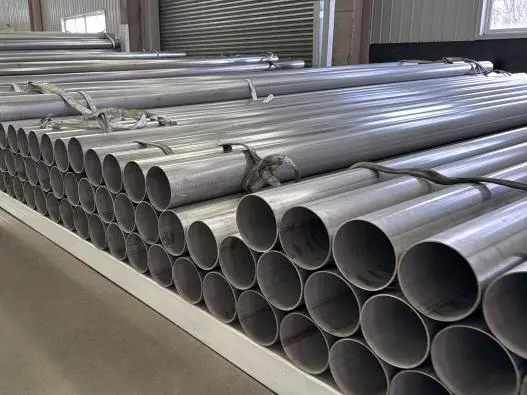
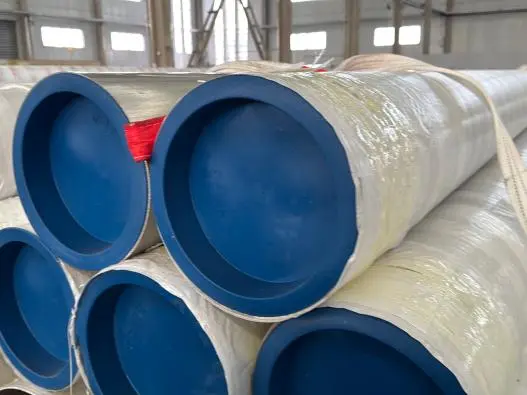
ASTM A789 UNS S31803 EFW pipe serves industries demanding superior corrosion resistance and high mechanical strength. These duplex stainless steel pipes excel in harsh, chloride-rich environments where conventional materials fail. You'll find them in chemical processing plants handling aggressive acids, offshore oil platforms battling seawater corrosion, desalination facilities managing high-salinity water, and power generation systems operating under extreme temperatures. Their balanced austenitic-ferritic microstructure delivers approximately twice the strength of standard austenitic grades while resisting pitting, crevice corrosion, and stress corrosion cracking—making them indispensable for critical infrastructure.
|
|
|
Understanding ASTM A789 UNS S31803 EFW Pipes: Composition, Properties, and Specifications
When choosing pipes for tough jobs, it's important to know what the material's DNA is. Duplex stainless steel takes the best features of two microstructures and mixes them in about the same amount. This isn't just a technicality; it changes how the material works when it's stressed.
The Dual-Phase Advantage
About 22% chromium, 5% nickel, and 3% molybdenum make up the UNS S31803 grade. Nitrogen has been added to improve its properties. This chemistry makes a healthy microstructure where austenite gives it flexibility and hardness and ferrite gives it strength and resistance to salt. You end up with a material that can take up to 3000 psi of pressure and keep its shape in acidic conditions. The minimum yield strength is 65 ksi, which is twice as high as austenitic 316L. This lets you choose smaller walls and cut the project's weight by 30–40% total.
Electric Fusion Welding Process
These pipes are different from seamless ones because they are made using the EFW method. Heavy-gauge plates are joined together along longitudinal seams by high-energy electric arcs. This makes diameters that are too big for seamless extrusion, ranging from 114.3 mm to 2500 mm. YOUFASS uses modern EFW technology on 15 production lines. Each weld is solution-annealed at 1040–1100°C and then quickly quenched in water. This heat treatment gets rid of harmful intermetallic phases and returns the ideal 50:50 balance of austenite and ferrite. This makes sure that the qualities of the weld zone match those of the base metal.
ASTM A789 vs. A790: Knowing the Difference
People who work in procurement often get these standards mixed up. The ASTM A789 standard covers general service tube with mild pressure ratings. The ASTM A790 standard covers seamless and welded pipe for harsher service conditions. Both can be used with UNS S31803, but A790 has tighter testing and tolerance standards. If you need to use high-pressure steam, sour gas, or important process fluids in your application, you have to follow A790. YOUFASS gives you all the proof you need, like MTC/MTR certificates (3.1/3.2), WPS/PQR records, and UT/RT reports, to show that it meets the standard you set.
Core Industrial Applications of ASTM A789 UNS S31803 EFW Pipes
Performance in the real world determines value. These duplex lines fix issues that cost businesses millions of dollars every year in lost time, repairs, and safety events.
Chemical and Petrochemical Processing
Every day, your plant deals with sulfuric acid, hydrochloric solutions, and fuels that are contaminated with chloride. Standard austenitic pipe fails within months because it pits and cracks from stress corrosion. UNS S31803 has a Pitting Resistance Equivalent Number (PREN) higher than 35, which is a lot higher than 316L's PREN of 24. This means that acid collector systems, heat exchanger tubes, and process transfer lines will last 15-20 years longer. Chemical companies say that maintenance costs dropped by 60% after switching from regular stainless grades.
Oil and Gas Infrastructure
Offshore installations face continuous exposure to seawater and hydrogen sulfide from sour wells, and ASTM A789 UNS S31803 EFW pipe resists both attack mechanisms while remaining weldable for field modifications. This combination of properties makes duplex 2205 particularly valuable in environments where carbon steel corrodes rapidly and austenitic alloys suffer sulfide stress cracking. Subsea pipeline operators employ these pipes for flowlines, injection systems, and topside piping where reliability directly impacts production uptime. The material's high strength-to-weight ratio enables lighter support structures, reducing offshore installation costs by thousands of dollars per ton.
Desalination and Water Treatment
Desalination plants that use seawater treat water with 35,000 ppm chlorides at high temperatures, which quickly breaks down normal materials. It is safe for UNS S31803 pipes to be used with brine concentrators, reverse osmosis feed systems, and outfall discharge lines. These lines are used in chlorination systems at municipal water treatment plants. In these systems, chlorine gas and hypochlorite solutions make conditions that are very oxidizing. A desalination plant in the Middle East found that S31803 intake pipes could last for 25 years, while 316L pipes needed to be replaced every 7 to 8 years.
Marine and Offshore Structures
Coastal infrastructure has to deal with salt spray, high tides, and organic fouling all the time. Duplex piping is used by shipbuilders in ballast systems, firefighting mains, and cooling water circuits where limited space calls for strong, small solutions. Microbiologically influenced corrosion (MIC) is not a problem for this material, which is useful in ocean cooling systems where biofilms speed up limited attack. Offshore wind farms are choosing S31803 more and more for foundation jacket pipes and platform utilities, with 30-year design lives without protection coatings.
Power Generation Systems
Combined-cycle power plants and nuclear sites need pipes that can consistently work at temperatures close to 300°C and don't erode or corrode when fluids move quickly through them. At these temperatures, duplex stainless steel keeps its mechanical qualities and doesn't react with chloride from cooling tower blowdown and makeup water treatment chemicals. Flue gas desulfurization (FGD) systems work better with S31803 because it doesn't react with sulfurous acid condensates, which can damage carbon steel absorber pipes in just a few months.
Comparing ASTM A789 UNS S31803 EFW Pipes with Alternative Solutions
When you buy something, being smart means weighing your options without bias. Your choice has an effect on both the initial capital costs and the costs that come up over many years.
EFW vs. Seamless Duplex Pipe
Seamless pipes have some benefits, like not having to worry about weld seams and being easier to find in sizes smaller than 4 inches. But because of the way the materials are made, seamless production can only go up to a maximum diameter of 16 inches, and the costs go up sharply above 8 inches. When used correctly, EFW technology can make 48-inch widths at a low cost, with weld factors above 0.85. YOUFASS keeps wall thickness tolerances within ±10% by choosing precise plates and setting up automated welding parameters. When it comes to large-bore uses, EFW works just as well as seamless options while costing 25–35% less.
S31803 vs. S32205: The Restricted Chemistry Question
The majority of new twin pipes are certified for both UNS S31803 and S32205. The S32205 name defines tighter ranges of composition, with higher minimum levels of nitrogen (0.14% vs. 0.08%) and chromium (22% vs. 21%). This limited formula gives a little better resistance to cracking and a little more strength. In reality, trustworthy companies like YOUFASS aim for S32205 composition even when S31803 is asked for. This gives you better performance at no extra cost. If the chloride concentration is higher than 10,000 ppm or the temperature is higher than 60°C, you should clearly specify S32205 to get consistent performance.
Duplex vs. Super Duplex: When to Upgrade
Elevated chromium (25%) and molybdenum (4%) levels in super duplex grades such as UNS S32750 deliver PREN values exceeding 40, providing enhanced corrosion resistance for ASTM A789 UNS S31803 EFW pipe applications in extreme environments. This superior performance justifies the 40–60% material cost premium only in aggressive conditions such as hot chloride brines, concentrated acids, or seawater above 40°C. Standard duplex S31803 serves adequately for most oil and gas, chemical, and water treatment duties. The need for super duplex becomes apparent when standard duplex exhibits localized corrosion in service or when design codes demand higher alloying levels for your specific operating conditions.
Long-Term Value Proposition
When you add up the costs of welding, testing, and finishing, the initial cost of the pipes is only 15 to 20 percent of the total cost of installing them. Even though carbon steel seems cheaper at first, it quickly becomes more expensive because it needs protective coats, cathodic protection, and regular checks. In corrosive service, a lifecycle cost analysis over 20 years consistently shows that duplex stainless steel is better than coated carbon steel. The total ownership costs are 30–50% lower, even though the materials are more expensive. You stop coating failures, cut down on inspections, and avoid unplanned shutdowns that cost tens of thousands of dollars every day in lost production.
Procurement Insights: How to Source ASTM A789 UNS S31803 EFW Pipes Efficiently?
A good procurement process strikes a balance between technical needs, delivery dates, and budget limits. How you do things will decide whether you get good materials on time or have to wait for projects to finish while getting products that aren't very good.
Certification and Checking for Compliance
Global supply chains are plagued by fake and low-quality materials, especially in high-value alloys. Make sure that the companies you buy from have ISO 9001 quality management certification and third-party product certifications from well-known groups. The labs that YOUFASS runs are ISO 17025-certified and offer chemical analysis using spectrometry and mechanical testing using tensile, hardness, and impact machines. European safety rules must be followed if your project is going to serve EU markets or follow international engineering standards. TÜV approval and PED compliance for pressure tools show that these rules are being followed.
Documentation Requirements
Full material tracking keeps you safe from responsibility and makes it easier to follow the rules. MTC to EN 10204 Type 3.2 should be required by your purchase order. Testing must be watched by an independent third party. Procedure qualification records (PQR) and welding procedure specifications (WPS) show that the manufacturer's welding methods meet the requirements of the code. Ultrasonic testing (UT) and radiographic testing (RT) reports check the integrity of the weld by finding flaws below the surface that can't be seen. YOUFASS offers full paperwork packages that make sure customs clearance and project quality checks go smoothly.
Negotiating Volume Pricing
The price of duplex stainless steel changes with the markets for nickel and molybdenum. Locking in prices for project numbers guards against changes in the market. YOUFASS will take orders for a single pipe for testing, but if you commit to buying more, you can get better prices. Usually, you can save 8–12% on 20 tons or more, and 15–18% on 50 tons or more. Blanket purchase orders with planned releases are a good way to balance the costs of keeping supplies with the stability of prices. They are especially useful for projects that last more than one year. Talk about the terms of payment in an open way. Many makers offer 2% to 3% savings for early payment or shorter payment terms.
Logistics and Lead Time Management
For ASTM A789 UNS S31803 EFW pipe, international shipping typically adds 4 to 8 weeks depending on destination and shipping mode. YOUFASS's proximity to Tianjin Port facilitates efficient container loading, with fastest shipments reaching the port within 7 days of order confirmation. While air freight costs 4–6 times more than ocean transport, it remains viable for urgent small-diameter requirements. Project plans must incorporate shipping duration, customs clearance, and inland transfer time—failure to do so can result in critical path delays. Request estimated shipping timelines during quotation to identify potential scheduling issues early.
Why Choose ASTM A789 UNS S31803 EFW Pipes? Benefits and Brand Trust?
Your choice of materials has been used for decades. If you make the right choice, you'll have fewer problems, lower costs, and better activities long after the building is done.
Proven Excellence in Manufacturing
YOUFASS has been making specialized duplex pipes for seven years, using dedicated production lines to make 50,000 tons of them every year. Smaller producers often have batch differences, but this scale makes sure that the quality is always the same by using standardized processes. Production is done by more than 200 skilled workers who follow strict quality guidelines. Statistical process control checks the mechanical properties and limits for dimensions all the time. When you buy from a well-known manufacturer instead of a trading company or broker, you get direct technical support and accountability, which is very important if you have problems with the welding or questions about the materials during installation.
Comprehensive Quality Assurance
Before it is shipped, every pipe goes through several steps of testing. Surface flaws can be seen, and OD, wall thickness, and length limits can be confirmed by measuring them. Structural integrity is checked by hydrostatic testing to 1.5 times the design pressure, and all weld seams in critical service grades are checked by non-destructive testing using UT or RT. Each heat lot is tested chemically and mechanically to make sure that the chemistry and properties are within the limits set by the specifications. With this multi-layer approach, field rejection rates drop to less than 0.5%, which is a level you won't find with suppliers who aren't as strict.
Application Engineering Support
Questions about technology don't care about business hours. YOUFASS offers application engineering advice to help you choose the right grades, wall plans, and end connections for your service conditions. If your project needs help with commissioning or developing a welding procedure on-site, skilled technicians can come to you. This help is very helpful when installation workers run into problems they didn't expect, and it means that problems can be fixed quickly, instead of having to be fixed over the course of days.
Industry Trends Driving Adoption
Global efforts to reduce carbon emissions speed up the growth of the hydrogen economy. For green hydrogen production to work, electrolysis systems and distribution networks need to be made of materials that don't rust. These new needs can be met by duplex stainless steel pipes, which also help with the growth of offshore wind farms, carbon capture infrastructure, and the use of green energy. Your purchase of S31803 pipes today is in line with how the industry is expected to grow in the future. This means that you can be sure that materials will be available and that you will have the right technical knowledge for decades of operation and possible growth.
Conclusion
ASTM A789 UNS S31803 EFW pipe solves important problems in many fields where rust and mechanical stress can affect how well things work. The balanced duplex microstructure gives it strength, toughness, and resistance that other materials can't match, especially in chloride-rich environments like those found in oil and gas, chemical processing, desalination, and marine uses. With the right heat treatment, electric fusion welding can make big sizes without breaking the bank. To make sure the procurement process goes smoothly, you need to choose certified manufacturers with well-documented quality systems, extensive testing capabilities, and quick technical support. These are the things that set reliable suppliers apart from commodity brokers who are just looking for the lowest price.
FAQ
What is the difference between S31803 and S32205 duplex grades?
The composition-restricted version of S31803 is S32205, which gives narrower ranges for the amounts of chromium, molybdenum, and nitrogen. While S31803 allows 21-23% chromium, S32205 needs at least 22-23%, which gives it a little more protection to pitting. Most current production is aimed at S32205 chemistry, and makers offer dual certification. Functionally, tanks with both names work the same way in common marine, chemical, and oil and gas uses.
Can EFW duplex pipes handle high-pressure service?
Of course. When made correctly using certified welding methods and a post-weld heat treatment, EFW duplex pipes can achieve weld factors of 0.85 to 1.0, which means they can be designed to hold the same amount of pressure as seamless pipe. Other pressure pipe rules, like ASME B31.3, allow EFW construction for uses up to the highest stress levels allowed. Full WPS/PQR documentation and non-destructive tests make sure that every production lot meets the standards set by the code.
What temperature limitations apply to UNS S31803?
From -50°C to about 300°C, UNS S31803 works reliably. Impact toughness drops below -50°C, which could lead to brittle fracture. For cryogenic service, special tests or austenitic options are needed. Above 300°C, long-term contact causes sigma phase precipitation, which weakens the material and makes it less resistant to rust. When followed by a quick quench, short trips to 350°C during heat treatment don't hurt.
How does duplex stainless steel compare to super austenitic grades?
Because they contain a lot of nickel, chromium, and molybdenum, super austenitic types like 904L or 254 SMO are very resistant to rust. But they aren't as strong as duplex alloys, so the walls have to be thicker to get the same pressure ratings. Duplex S31803 usually costs 20–30% less than super austenitics, but it is stronger and less likely to crack from stress corrosion. However, super austenitics may be better in acid service at very high temperatures above 150°C.
Partner with YOUFASS for Your Duplex Piping Requirements
YOUFASS Stainless Steel Pipe Co., Ltd. is ready to be your reliable ASTM A789 UNS S31803 EFW pipe provider. We offer approved materials that are in line with ISO 9001, TÜV, and PED standards. Our yearly capacity of 50,000 tons means that we can work on projects of any size, from testing a single pipe of material to installing a whole plant. As a well-known company that serves customers all over the world, we offer full documentation packages, flexible buying down to a minimum order quantity (MOQ) of one piece, and tech help throughout the entire lifecycle of your project. Email our team at info@youfass.com to talk about your needs, get full technical data sheets, or set up a visit to our location. You can look at our whole line of products at youfass.com and find out how our seven years of experience making specialized duplex pipes has given us reliability that you can measure.
Online Message