
Sep 2, 2026
How Does ASTM A789 Duplex Steel 2205 Tubing Handle Chloride Environments?
ASTM A789 Duplex steel 2205 tubing excels in chloride-rich environments due to its unique dual-phase microstructure comprising approximately 50% austenite and 50% ferrite. This balanced composition, enriched with 22% chromium, 3% molybdenum, and 0.14-0.20% nitrogen, achieves a Pitting Resistance Equivalent Number (PREN) exceeding 34. The synergy of these alloying elements forms a robust passivation layer that effectively shields against pitting, crevice corrosion, and stress corrosion cracking, making it an optimal choice for marine, desalination, and chemical processing applications.
|
|
|
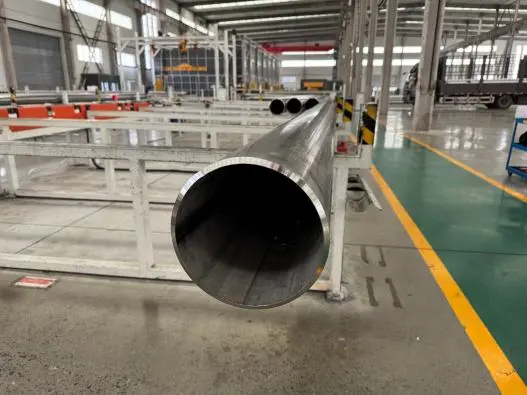
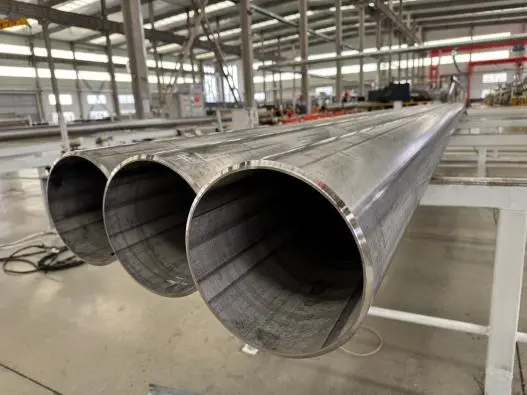
Understanding ASTM A789 Duplex Steel 2205 Tubing and Its Corrosion Resistance
The Dual-Phase Microstructure Advantage
The microstructural architecture of duplex stainless steel is what makes it work so well. Duplex 2205 tubing has the good qualities of both austenitic and ferritic structures, while traditional austenitic stainless steels only have one phase. The austenitic phase gives the metal great toughness and shapeability, while the ferritic phase gives it more strength and protection against stress corrosion cracks caused by salt. The minimum tensile strength of this balanced microstructure is 655 MPa, and the minimum yield strength is 450 MPa. This is almost twice as strong as regular 316L stainless steel. For the best corrosion protection and mechanical qualities throughout the tubing's service life, the phase balance must be kept within tight limits, usually between 40 and 60% ferrite content.
Critical Alloying Elements and Passivation Mechanisms
Chromium is the main protective element; it forms a self-healing chromium oxide layer on the metal's surface that grows back quickly even after being damaged by mechanical means. Molybdenum makes the passive film more stable in aggressive chloride solutions, which makes it more resistant to localized corrosion. Nitrogen does many things: it makes the austenite phase stronger, makes the material less likely to pit, and keeps its protective qualities even at high temperatures. As per the ASTM E562 microstructure analysis guidelines, it is very important that there are no harmful intermetallic phases like the sigma phase. YOUFA's quality control procedures include a full microstructural examination to make sure that the phases are balanced and to find any potentially harmful precipitates that could weaken the resistance to corrosion.
Quantifying Chloride Resistance Through PREN Values
The Pitting Resistance Equivalent Number is a reliable way for engineers to compare how resistant different materials are to localized rusting. Duplex 2205 usually gets numbers between 34 and 36 when the formula PREN = %Cr + 3.3(%Mo) + 16(%N) is used. This is a lot higher than the PREN of 316L (about 24–26) and close to the PREN of more expensive super austenitic grades. Material test records from certified mills should always include confirmation of the chemical makeup. This way, procurement managers can figure out and check PREN values on their own. As part of the ASTM G48 Method A ferric chloride immersion testing, good quality duplex 2205 tubing showed very little weight loss after being exposed to harsh test solutions for 24 hours.
Challenges of Chloride Environments and How ASTM A789 Duplex 2205 Addresses Them
Mechanisms of Chloride-Induced Corrosion
Chloride ions are always a threat to stainless steel because they can attack protective surfaces in several ways. For demanding chloride-containing applications, ASTM A789 Duplex steel 2205 tubing provides a strong combination of corrosion resistance and mechanical strength. Pitting corrosion can begin at small weaknesses in the passive layer and gradually create holes that penetrate the tube wall. In areas with limited fluid movement, chloride concentration can increase and weaken protective oxide films, leading to crevice corrosion. Stress corrosion cracking can be particularly difficult to detect because tensile stress, chloride exposure, and elevated temperature can combine to cause sudden cracking. In power plants, seawater cooling systems, and chemical processing facilities, ASTM A789 Duplex steel 2205 tubing can help address these challenging service conditions when properly selected and engineered. The corrosion resistance of ASTM A789 Duplex steel 2205 tubing makes it a practical option for systems where chloride exposure is a major material-selection concern. By specifying ASTM A789 Duplex steel 2205 tubing according to pressure, temperature, chloride concentration, and mechanical requirements, engineers can improve long-term system reliability.
Heat Treatment and Phase Balance Optimization
Whether duplex stainless steel lives up to its ideal performance potential depends on how well it is thermally processed. Solution annealing at temperatures between 1040°C and 1100°C gets rid of any harmful precipitates and finds the best balance of austenite and ferrite. Rapid quenching, usually with water, keeps this microstructure in place, stopping the formation of sigma phase or other compounds that weaken the metal as it cools. Controlled cooling rates and temperature checks at multiple steps are part of YOUFA's manufacturing processes to make sure that the final product is stable in terms of size and quality. Each shipment comes with a record of the heat treatment process. This makes it possible to track shipments and provides proof for quality assurance programs. Heavy-wall tubing or complicated fabrications may need a post-weld heat treatment to restore corrosion resistance in the area that was heated.
Welding Considerations for Maintaining Corrosion Resistance
If you don't use proper welding techniques, the heat-affected zone next to the welds can become less resistant to salt. Too much heat leads to grain growth and phase imbalance, and not enough shielding gas lets nitrogen escape from the weld pool. We suggest using ER2209 filler metal that has a slightly higher nickel content to make up for the fact that ferrite forms more easily in the fusion zone. To avoid sensitivity, the temperature between passes should not go above 150°C. After welding, passivation processes clean the surface and put back the protected oxide layer. Eddy current inspection is one type of non-destructive testing that can find flaws under the skin that could be the start of crevice rust.
Comparing ASTM A789 Duplex 2205 Tubing with Alternative Stainless Steels in Chloride Applications
Performance Advantages Over Austenitic Grades
The difference between duplex 2205 and austenitic 316L is often brought up when procurement managers look at materials for chloride service. Duplex 2205 has about twice the yield strength, which lets engineers define thinner wall sections while keeping the pressure values the same. This weight reduction means lower costs for materials and easier installation. Chloride stress corrosion cracking protection is another major benefit. Austenitic stainless steels can still experience SCC at temperatures above 60°C in chloride settings, but duplex grades stay strong well past this point. Real-world data from offshore platforms and desalination plants shows that 316L lasts 50–100% longer in similar applications than 316L.
Cost-Performance Analysis and Total Ownership Considerations
The initial cost of materials for duplex 2205 tubing is usually 15–25% higher than for 316L tubing. However, in harsh service conditions, the economics of lifecycle use favor duplex. Lower catastrophic failure risk, less frequent upkeep, and longer repair times all lower the total cost of ownership. A case study from a chemical processing plant about the construction of a heat exchanger showed that duplex 2205 tubing worked for 12 years without any cracking problems, while older 316L tubes had to be replaced every 4 to 5 years. During the first operating cycle, the higher original investment was justified by the lower costs of downtime and emergency repairs. When you buy in bulk through factory-direct outlets like YOUFA, the price difference is even smaller, and you can be sure of the same quality and expert support.
When to Consider Super Duplex Alternatives
Even higher PREN values are found in super duplex metals like S32750, which can handle higher chloride concentrations and more demanding environments than standard duplex grades. ASTM A789 Duplex steel 2205 tubing remains a practical choice for many applications where corrosion resistance, mechanical strength, and cost efficiency need to be balanced. These higher-alloy materials are well suited to deep-sea applications, high-temperature chemical reactors, and sour gas service where standard duplex 2205 may approach its limits. The recommended service temperature for ASTM A789 Duplex steel 2205 tubing is generally limited to around 315°C for long-term applications, helping avoid undesirable metallurgical changes such as sigma-phase precipitation and 475°C embrittlement. Rather than automatically selecting more expensive alloys, material selection should be based on the actual operating conditions. Our expert team can help engineers evaluate whether ASTM A789 Duplex steel 2205 tubing is appropriate for a specific environment and determine when a higher-alloy material is justified. Properly specified ASTM A789 Duplex steel 2205 tubing can provide a strong balance of corrosion resistance, mechanical performance, and project cost.
Procurement Insights: Sourcing ASTM A789 Duplex Steel 2205 Tubing for Chloride Environments
Supplier Qualification and Certification Requirements
Checking a supplier's credentials and quality management systems is the first step in reliable sourcing. ISO 9001 certification shows that you can control quality in a basic way, and ISO 14001 certification shows that you care about environmental management. Every shipment must come with a material test record that lists the chemical makeup, mechanical qualities, and size requirements. These MTRs should include heat numbers that can be used to track back to the steel mill where the steel was made. ASTM A1016 dimensional tolerances must be strictly followed because changes in wall thickness or ovality can cause stress concentrations that make corrosion resistance worse. Third-party inspection services are useful for high-stakes projects because they provide extra proof. However, well-known makers with a track record, like YOUFA, can usually meet quality standards with their own testing procedures and clear paperwork.
Understanding Market Dynamics and Lead Times
The prices of raw materials, especially nickel and molybdenum, cause the global stainless steel market to go through cycles. Duplex 2205 has less nickel than austenitic grades, which makes it less sensitive to changes in the price of nickel. However, the cost of molybdenum still affects the overall price. Standard sizes that are in stock usually ship within two to three weeks. For custom sizes that need to be made in a mill, lead times can go up to eight to twelve weeks. Planning when to buy things based on when the project needs to be done saves money on expensive rush fees and makes sure that materials are available during important installation stages. YOUFA can make 50,000 tons of products a year on 15 specialized lines. This lets us keep a store of standard sizes and shapes while also being able to accommodate special orders that need to be made for specific projects.
Export Logistics and International Compliance
When shipping ASTM A789 Duplex steel 2205 tubing across borders, you need to pay close attention to documentation, packaging requirements, and regulatory compliance. International orders for ASTM A789 Duplex steel 2205 tubing should be accompanied by the appropriate export declarations, certificates of origin, and mill test certificates to help support smooth customs clearance. For sea freight, packaging should protect ASTM A789 Duplex steel 2205 tubing from handling damage and environmental exposure by using plastic end caps, moisture barriers, and suitable protective materials. In some markets, such as Europe, additional requirements such as the PED (Pressure Equipment Directive) may apply depending on the intended application, while Canadian projects may require CRN registration. We work with freight forwarders experienced in handling industrial materials to ensure that ASTM A789 Duplex steel 2205 tubing is properly managed and delivered to project sites worldwide. Our export team also prepares the necessary documentation and provides shipment updates throughout the delivery process, helping customers receive ASTM A789 Duplex steel 2205 tubing safely and on schedule.
Maximizing Reliability: Maintenance and Inspection Recommendations for ASTM A789 Duplex 2205 Tubing
Early Detection Techniques for Corrosion Monitoring
Inspection programs that are proactive find new problems before they get worse and cause failures. Visual study is still the easiest way to find surface darkening, layers, or clear pitting. Ultrasonic thickness testing finds wall loss due to general corrosion and sets standard measures for analyzing trends over time as inspections happen more often. Eddy current testing can find cracks and pits close to the surface with enough accuracy to allow early repair. Using borescopes for remote visual inspection lets you look at the inside of things without taking them apart. The number of inspections should go up in harsh work environments or places where failure would have serious effects. Recording what was found during an inspection makes a record of the state that helps with plans for preventative maintenance and replacement.
Passivation and Cleaning Best Practices
Surface treatments that improve performance are useful for all kinds of materials, even ones that don't rust. Passivation gets rid of any free iron that was introduced during manufacturing or installation. This lets the chromium-rich oxide layer form evenly. Solutions of citric acid or nitric acid clean surfaces well without taking off too much metal. Chemical cleaning gets rid of scale deposits, biological fouling, or process leftovers that cause crevice rust. When cleaning mechanically, you should not use steel brushes or other tools that can embed iron particles. Instead, you should use stainless steel brushes made just for duplex grades to avoid cross-contamination. Routine cleaning gets rid of chloride-filled water from systems that aren't being used, which keeps concentrations from building up when the system is off. These maintenance tasks keep the passive protective layer that makes duplex stainless steel resistant to rust in good shape.
Conclusion
Because of its optimized dual-phase microstructure and strategic alloying, ASTM A789 Duplex steel 2205 tubing has been shown to perform well in chloride-containing environments. Its combination of mechanical strength, corrosion resistance, and favorable lifecycle economics makes ASTM A789 Duplex steel 2205 tubing a practical choice for heat exchangers, hydraulic systems, and chemical processing equipment exposed to demanding chloride conditions. The success of a project depends on selecting the right materials and maintaining complete, verified quality documentation. Regular inspections and appropriate maintenance plans can extend equipment service life and improve reliability. Understanding the material characteristics and practical applications of ASTM A789 Duplex steel 2205 tubing gives purchasing managers and engineers greater confidence when selecting materials. Properly specified ASTM A789 Duplex steel 2205 tubing can help reduce the risk of premature failures and control total ownership costs in demanding industrial environments.
FAQ
What makes ASTM A789 Duplex 2205 suitable for saltwater applications?
The balanced microstructure, which is made up of about 50% ferrite and 50% austenite, along with high levels of chromium (22%), molybdenum (3%), and nitrogen (0.14-0.20%), makes the steel very resistant to pitting and crevice rust in seawater. The fact that the PREN number is higher than 34 shows that it performs better than regular austenitic stainless steels. This makes it perfect for desalination plants, offshore platforms, and marine cooling systems.
Does welding affect the corrosion resistance of duplex tubing?
In the heat-affected zone, welding adds heat that can change the phase balance and rust protection. Using the right filler metals (ER2209), controlling the amount of heat applied, making sure there is enough shielding gas covering, and adding passivation processes after welding all help to keep corrosion resistance high. Solution annealing at 1040–1100°C might be suggested for important uses to fully recover qualities.
What certifications should I verify when selecting a supplier?
Good providers offer ISO 9001 certification, detailed material test results that show the chemical make-up and mechanical properties, and ASTM A789 compliance confirmation. Heat number traceability, dimensional inspection reports per ASTM A1016 and corrosion testing results (ASTM G48) all show that the material is solid and can be used in chloride environments.
Connect with YOUFA for Reliable Duplex Stainless Steel Solutions
YOUFASS has 15 modern production lines that can make 50,000 tons of thin-wall stainless steel pipes and heat exchanger tubes every year. These are used in a wide range of challenging industrial settings. As a reputable ASTM A789 Duplex steel 2205 tubing manufacturer, we keep strict quality control from choosing the raw materials to inspecting the finished product to make sure it meets all international standards. Our technical support team helps you choose the right materials, get help with fabrication, and organize projects that are specific to your chloride environment problems. We provide traceable quality and quick service whether you're looking for materials for making electricity, handling chemicals, or marine uses. Visit youfass.com or email us at info@youfass.com to talk about your needs and get full specs for your next project.
Online Message