
Aug 24, 2026
How Do Duplex Stainless Steel Tubes Improve Offshore System Reliability?
Offshore platforms face some of the harshest operating conditions on earth. Constant exposure to seawater, salt spray, and corrosive atmospheres accelerates material degradation in traditional piping systems. ASTM A789 Duplex Stainless Steel Tubes solve this critical challenge through their unique dual-phase microstructure that combines austenitic and ferritic properties. This metallurgical design delivers approximately twice the yield strength of conventional austenitic grades while providing exceptional resistance to chloride-induced stress corrosion cracking. When properly specified and installed, these tubes extend maintenance intervals significantly and reduce unexpected system failures in offshore applications, protecting both operational continuity and personnel safety.
|
|
|
Understanding ASTM A789 Duplex Stainless Steel Tubes
What Makes the Microstructure Special?
The perfect composition of duplex stainless steel is what makes it unique. Unlike single-phase stainless steels, these products have about the same amount of austenite and ferrite phases. This mix creates a synergistic effect, where the austenite phase gives toughness and flexibility, and the ferritic phase gives strength and protection from rust. The end result is a material that works better than either step by itself.
Chemical Composition and Performance
Higher amounts of chromium (21-23%), molybdenum (2.5–3.5%), and nitrogen (0.14-0.20%) are found in duplex grades like 2205 (UNS S32205/S31803). When these parts work together, they make a Pitting Resistance Equivalent Number (PREN) higher than 34. This means that the material is more resistant to localized corrosion. Super duplex grades, such as 2507 (UNS S32750), have PREN values above 40, which makes them even better for the roughest offshore settings.
Manufacturing Process and Quality Control
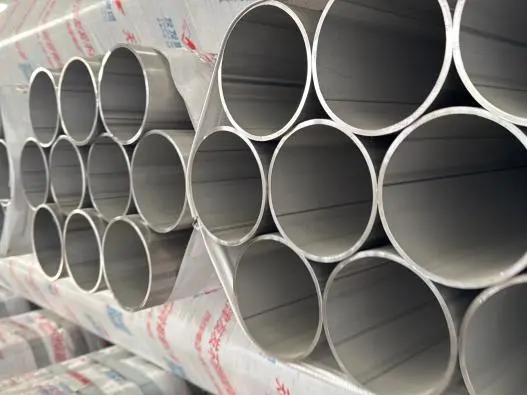
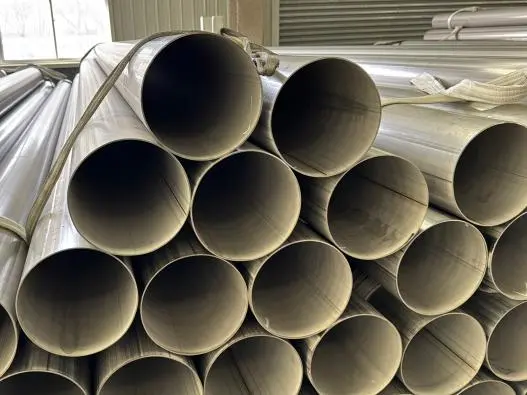
When making ASTM A789 Duplex Stainless Steel Tubes, the Electric Fusion Welded (EFW) process makes sure that the wall thickness and size are always the same for uses with a diameter from 114.3 mm to 2500 mm. After welding, solution annealing and rapid water quenching improve the microstructure and stop the formation of harmful intermetallic phases that could lower the strength or resistance to corrosion. This step of heat treatment is necessary to keep the material's performance properties.
Key Challenges in Offshore Systems and How Duplex Stainless Steel Solves Them
Operators of offshore infrastructure know that a material failure doesn't just mean having to pay for a new system. Unplanned shutdowns lead to lost output, safety threats, and close scrutiny by the government. Traditional materials often have trouble meeting the needs of being loaded mechanically and being exposed to corrosives at the same time.
Chloride Stress Corrosion Cracking
When austenitic stainless steels like 316L are put under tensile stress in chloride-rich conditions above 60°C, they can crack from chloride stress corrosion. This type of failure has led to many incidents offshore. The ferritic part of duplex stainless steel naturally resists this mechanism, so it can be used safely in situations where other types would crack within months. Due to their high yield strength (usually at least 450–550 MPa), duplex grades can have thinner wall sections, which lowers the number of stress concentration points.
Pitting and Crevice Corrosion Resistance
There are about 19,000 parts per million of chloride ions in seawater, which makes it perfect for pitting corrosion in materials that are easily damaged. The high levels of molybdenum and nitrogen in ASTM A789 Duplex Stainless Steel Tubes make a defensive passive film that stays steady even when seawater stays still. This resistance includes resistance to crevice corrosion, which usually starts at flanged joints, valve seats, and places where deposits are present. Offshore owners say that duplex grade seawater pipe systems last more than 25 years, while carbon steel with protective coatings only last 5 to 10 years.
Mechanical Fatigue Under Cyclic Loading
Platforms in the ocean are always shaking because of waves, wind, and working gear. Piping systems have to be able to handle millions of filling cycles without cracking. Duplex stainless steel is better at resisting fatigue than carbon steel or single-phase stainless grades because it has higher tensile strength and is easier to shape. This directly means that repair checks will be done less often and parts will need to be replaced more often.
Comparative Analysis: ASTM A789 Duplex Stainless Steel Tubes vs Other Materials
To choose the right materials, you need to know more than just the original purchase price. You also need to know the total cost of ownership. Duplex stainless steel costs more than carbon steel or standard stainless grades at first, but a lifecycle analysis often shows that it saves a lot of money in the long run.
Performance Against Austenitic Stainless Steels
It is easy to see the differences between austenitic 316L and duplex 2205 when they are used in offshore waters. The duplex grade has twice the yield strength, which means that the wall thickness can be cut by 30 to 40 percent while the pressure rating stays the same. This weight loss lowers the cost of placement and the load on platforms' structures. Even better, the duplex grade doesn't have the stress corrosion cracking risk that 316L system operators have to deal with because they have to be very careful with temperature and stress.
Super Duplex for Extreme Conditions
The next level of speed for the most demanding offshore uses is the super duplex 2507. It can work reliably in warm seawater, sour gas settings with H2S, and systems that handle acidic production fluids because its PREN is above 40. The extra cost of materials compared to standard duplex 2205 is usually between 40 and 60%, but this investment is worth it in situations where standard duplex would need walls that are too thick or where regular upkeep could be dangerous.
Carbon Steel Comparison
Carbon steel is still used a lot in offshore construction because it is cheap and easy to work with. But carbon steel needs a lot of protection against rust, like coatings, cathodic protection, or corrosion limits. These safety measures make things more complicated, need to be maintained on a regular basis, and still make the steel last less long than duplex stainless steel. When operators figure out the present value of coating maintenance, corrosion monitoring, and replacement cycles, they often find that over a 20–30 year platform life, duplex stainless steel gives them a better return on their investment.
Procurement Considerations for ASTM A789 Duplex Stainless Steel Tubes
Sourcing choices have an effect on the success of a project long after the materials get there. Teams in charge of buying things need to look at more than just price quotes when deciding which providers to work with.
Certification and Documentation Requirements
Real ASTM A789 Duplex Stainless Steel Tubes suppliers give full paperwork on how to track down materials. The Mill Test Certificate (MTC) that meets EN 10204 3.1 or 3.2 standards checks the chemical make-up and mechanical features of each heat and lot. Reports from reputable third-party inspection (TPI) bodies show that the dimensions are correct. Documentation for welding, such as Welding Procedure Specifications (WPS) and Procedure Qualification Records (PQR), shows that the producing process is being controlled. The heat treatment conditions are spelled out in the Material Processing Specifications (MPS). Ultrasonic (UT) or radiographic (RT) testing results that don't damage the weld confirm its stability. If a supplier doesn't want to provide this paperwork or only gives you part of it, you should be very worried right away.
Manufacturing Capability Assessment
When project deadlines are short, production capacity is important. A provider with specialized production lines for duplex stainless steel and solution annealing equipment can keep quality standards high and keep delivery promises. Companies that make things and have ISO 9001, PED (Pressure Equipment Directive), and TÜV certifications show that they manage quality in a planned way. An ISO 17025-accredited testing laboratory means that the company can check the properties of materials on its own, instead of relying on outside testing that can cause shipping delays.
Minimum Order Quantities and Delivery Logistics
For example, hundreds of tons of pipe may be needed for big jobs overseas, but only a few pieces may be needed for retrofit or repair work. Suppliers who can handle both full production runs and sales for just one tube are very helpful because they give you options. Shipping things around the world makes things even more complicated. Knowing how long it takes from placing an order to delivery at a port helps project managers plan how to schedule buying with building. Some sources can get standard specs to major ports in 7–14 days, but it may take 8–12 weeks for custom sizes or super duplex grades. When these deadlines are built into the project planning, delays on the platform don't happen, which saves money.
Ensuring Long-Term Offshore System Reliability with ASTM A789 Tubes
Choosing the material is only the beginning. Whether tubes last as long as they are supposed to depends on how they are handled, placed, and kept.
Installation Best Practices
Duplex stainless steel needs to be fabricated and welded in a certain way. The high strength of the material is useful in service, but it needs to be properly prepared and fit-up before welding. Controlling the temperature between passes stops too much heat from entering, which could throw off the balance of the microstructure. To make up for dilution and make sure the weld metal has the same level of rust resistance, filler metals need to have a little more alloy added to them than the base metal. Most of the time, duplex grades don't need to be heated after they're welded. This makes fitting easier in the field than with some other metal systems. On the other hand, solution annealing might be needed if the welding process wasn't managed well.
Inspection and Maintenance Protocols
Even materials that are very resistant to rust should be checked every so often. Operators in offshore platforms should set up monitoring systems that check the outside of the platform for coating damage or discoloration, measure the thickness of the wall at representative locations using ultrasonic waves to find any unexpected wall loss, and take regular samples of the process fluids to make sure the operating conditions stay within the design parameters. Usually, these checks happen when the platform is shut down for maintenance every two to five years. One of the functional benefits of duplex stainless steel over materials that need to be inspected more often is that the time between checks is longer.
Future Trends in Offshore Duplex Applications
The offshore energy business is still changing as it moves toward harsher conditions, deeper water, and longer field life standards. With these trends, duplex stainless steel is more likely to be used. Subsea production systems now usually ask for duplex and super duplex types for parts that used to be carbon steel with corrosion limits. In the process systems on top of floating production platforms, duplex pipes are used a lot. As the use of offshore wind energy grows, builders are learning from the oil and gas industry by choosing duplex stainless steel for cooling systems that use seawater and for hydraulic pipes in the bases of wind turbines. Metallurgical research is still going on to find ways to make lean duplex grades with less nickel so that the cost of the materials is lower while the performance stays the same. This could help duplex find new uses in price-sensitive markets.
Conclusion
ASTM A789 Duplex Stainless Steel Tubes have been shown to be effective in offshore system uses where other materials don't work well. Their special microstructure gives them the power to make parts lighter and the corrosion protection needed for naval settings where they will be used for a long time. When procurement teams choose qualified sellers who provide the right paperwork and certifications, these goods always have a lower total cost of ownership than other options. Duplex stainless steel is a good choice for offshore infrastructure that needs to work reliably for decades because it requires less maintenance, lasts longer between replacements, and makes operations safer. When operators follow the right construction and upkeep procedures, they get the most out of their material investments.
FAQ
Why choose ASTM A789 duplex tubes over standard 316L stainless steel?
Duplex grades have about twice the yield strength of 316L, which lets walls be thinner and saves weight. Even better, they don't crack easily when exposed to chloride stress corrosion, which can quickly break down austenitic grades in harsh marine circumstances. This gets rid of the need for strict limits on temperature and stress that limit what can be done with 316L.
How do I verify an ASTM A789 supplier's authenticity?
Genuine providers offer full documentation sets that include Mill Test Certificates (EN 10204 3.1 or 3.2), third-party inspection records, qualifications for the welding process, and results of non-destructive testing. ISO 9001, PED, and TÜV certifications should be held by factories that make things. An ISO 17025-accredited testing facility shows that they are very committed to quality. Before you place a big order, ask for examples that can be fully tracked.
Can ASTM A789 tubes handle both welded and seamless applications?
Yes. ASTM A789 Duplex Stainless Steel Tubes covers both types of applications. Electric Fusion Welded (EFW) tubes can be used for jobs with a diameter of 114.3 mm to 2500 mm. After welding, the standard calls for solution annealing and fast quenching to improve the microstructure. This makes sure that welded tubes work as well as smooth goods in high-pressure and corrosive environments.
Partner with YOUFA for Certified Duplex Stainless Steel Solutions
YOUFA has been a trusted ASTM A789 Duplex Stainless Steel Tubes supplier to the offshore, petrochemical, and marine industries around the world for more than six years. Every year, our 15 modern production lines ship 50,000 tons, and all of them are fully certified by ISO 9001, PED, and TÜV. We make duplex 2205 and super duplex 2507 grades in Electric Fusion Welded shapes with outside diameters ranging from 114.3 mm to 2500 mm. All of our tubes are solution annealed and water quenched to meet the strict ASTM A789/A789M standards. Every order comes with full paperwork, such as MTC 3.1/3.2, TPI, WPS/PQR, MPS, and UT/RT records, to help you meet the standards of your project. Get in touch with our technical team at info@youfass.com to talk about your unique offshore system needs and get full specs that are tailored to your working conditions.
Online Message