
Sep 2, 2026
How Can ASTM A789 GR S32205 Stainless Steel Tube Extend Equipment Life?
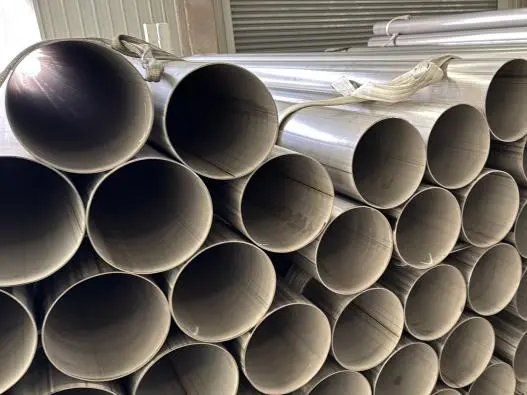
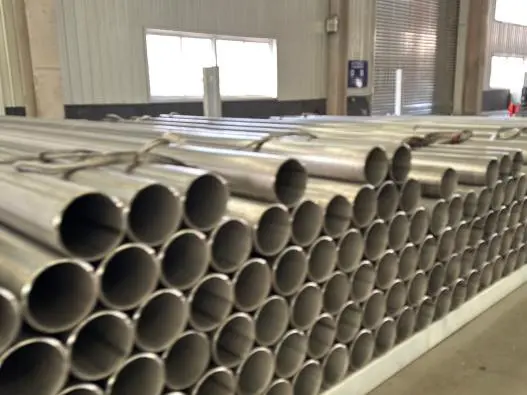
ASTM A789 GR S32205 stainless steel tube extends equipment life through its duplex microstructure that combines austenitic and ferritic phases, delivering exceptional corrosion resistance and mechanical strength. This material withstands aggressive chemical environments, resists pitting and crevice corrosion in chloride-rich conditions, and maintains structural integrity under high-pressure operations. Industries deploying S32205 tubes experience reduced maintenance costs, minimized downtime, and extended operational lifecycles across demanding applications.
|
|
|
Introduction
When choosing materials for industrial equipment, it's not enough to just meet immediate needs; you also need to think about how reliable and efficient the equipment will be in the long run. For engineers and procurement workers handling the challenges of equipment durability in harsh settings, ASTM A789 GR S32205 Stainless steel tube offers a smart choice. As a strong duplex stainless steel, S32205 has been widely used in many fields, from chemical processing to desalination, where failure of the material can cause major problems with operations.
We've seen how choosing the right materials can have a huge effect on the total cost of ownership. Aside from the initial buy price, things like how often upkeep is done, when replacements are needed, and unplanned downtime all add up to hidden costs that add up quickly. In this piece, we look at the technical background, performance features, and buying factors that make duplex stainless steel tubes a reliable way to extend the life of equipment in harsh industrial settings.
Understanding ASTM A789 GR S32205 Stainless Steel Tube Specifications
To make sure your equipment lasts as long as possible, you need to know what makes this twin type special. ASTM A789 GR S32205 isn't your average austenitic stainless steel. It's a carefully engineered alloy that's made to work better than regular grades in certain tough conditions.
Chemical Composition and Material Balance
About 22% of S32205 is chromium, 3% is molybdenum, and 5–6% is nickel. It also has small amounts of nitrogen added in a controlled way that improves its resistance to rust and its mechanical qualities. This balanced mix makes the duplex microstructure, which is made up of about equal amounts of austenitic and ferritic phases, and sets it apart from other stainless steels. Chromium makes the passive film that doesn't rust, and molybdenum makes it more resistant to pitting and crevice corrosion in chloride environments. Nitrogen makes the austenitic phase stronger and makes it less likely that limited rusting will happen.
Manufacturing Standards and Quality Control
The ASTM A789 standard sets strict requirements for ferritic/austenitic stainless steel tubing, including both seamless and welded products, for general corrosion-resistant and high-temperature service. ASTM A789 GR S32205 Stainless steel tube is manufactured according to these requirements, with solution annealing typically performed within the specified temperature range and followed by rapid cooling to maintain the desired phase balance. This heat-treatment process helps stabilize the microstructure and improve corrosion resistance. Reliable manufacturers maintain tight dimensional tolerances for ASTM A789 GR S32205 Stainless steel tube and conduct comprehensive testing, including hydraulic pressure testing, non-destructive examination, and chemical analysis. These quality-control procedures help verify that ASTM A789 GR S32205 Stainless steel tube meets applicable specifications and performance requirements. Proper heat treatment, dimensional control, and inspection are essential for ensuring consistent quality in ASTM A789 GR S32205 Stainless steel tube used in demanding industrial applications.
Comparison with Standard 2205 Grade
A lot of people who work in procurement want to know if S32205 is different from the standard 2205 designation. S32205 is a better form of 2205 that has tougher composition limits and better control over interstitial parts. This improvement makes the performance traits more predictable and the weldability better. This makes S32205 the best standard for important applications where dependability and consistency cannot be sacrificed.
Key Factors Affecting Equipment Life in Industrial Applications
Degradation of equipment happens in predictable ways that are affected by things like the climate, operating pressures, and the properties of the materials used. Understanding these ways that materials break down helps explain why duplex stainless steel tubes always last longer than other options.
Corrosion-Related Failure Modes
In most workplace settings, corrosion is the main thing that shortens the life of tools. General corrosion wears away at the walls of a material over time, while localized corrosion makes dangerous holes that spread quickly. Stress-induced rust cracking happens when tension stress meets corrosive conditions, especially in settings with chloride. Due to its higher chromium and molybdenum content and higher mechanical strength, S32205's duplex structure is better at resisting all of these failure modes than single-phase austenitic grades.
Mechanical Wear and Fatigue Resistance
In addition to rust, cyclic loads, vibration, and temperature stress can also cause equipment to break down. The duplex microstructure gives 316L austenitic stainless steel about twice as much yield strength, which lets wall designs be thinner without lowering the pressure ratings. This increased strength directly leads to better fatigue resistance in situations where there are changes in pressure, temperature, or mechanical vibration. S32205 tube is used to make equipment that stays stable in size and shape even after millions of stress cycles.
Real-World Performance Data
In acidic chloride settings, chemical processing plants that switched from 316L to S32205 heat exchanger tubing have seen their tubes last more than 200% longer. Offshore oil platforms that use duplex tubing in seawater injection systems say that their maintenance intervals are twice as long as those that use traditional austenitic tubing. When S32205 is used in high-salinity desalination plants, pitting incidents are greatly reduced. This means that there are fewer emergency repairs and longer periods of operation between scheduled shutdowns.
Corrosion Resistance and Mechanical Advantages of ASTM A789 GR S32205
When compared to common materials in a range of working situations, the performance benefits of duplex stainless steel become clear.
Superior Resistance in Aggressive Environments
With a Pitting Resistance Equivalent Number (PREN) higher than 35, ASTM A789 GR S32205 Stainless steel tube offers strong resistance to chloride-induced pitting and crevice corrosion. This performance is generally better than 316L, which has a PREN of approximately 24, while remaining a more cost-effective option than some higher-alloy grades such as 904L. In environments containing chlorides, sulfates, or certain organic acids, the duplex microstructure of ASTM A789 GR S32205 Stainless steel tube helps maintain passive-film stability under suitable operating conditions. This enhanced corrosion resistance makes ASTM A789 GR S32205 Stainless steel tube useful in applications such as chemical processing, pulp and paper production, and marine equipment. For systems exposed to aggressive chloride-containing media, ASTM A789 GR S32205 Stainless steel tube can provide a practical balance of corrosion resistance, mechanical strength, and cost. Properly specified ASTM A789 GR S32205 Stainless steel tube can therefore support reliable long-term performance in demanding industrial environments.
Mechanical Strength Benefits
S32205 has a yield strength of 450 to 550 MPa, which is about twice as high as 316L austenitic stainless steel. This extra strength has a lot of useful effects, such as reducing the wall thickness needed for the same pressure grade, making the structure more resistant to damage during installation and use, and better performance in high-pressure situations. Because it is both strong and resistant to corrosion, duplex tubing is very useful in tough situations where both properties are important.
Performance Comparison Across Material Grades
Compared to S31803, which was the previous name, S32205 has better makeup control, which means it performs more consistently. S32205 is a more affordable grade of super duplex steel that is resistant to corrosion enough for most industrial uses compared to grades like S32750. The duplex grade is better than austenitic options in chloride environments and high-stress uses, and it still has a reasonable price. Because of this, S32205 is the best choice for uses that need better performance without the high costs that come with specialty alloys.
Selecting ASTM A789 GR S32205 Stainless Steel Tubes for Optimized Procurement
When you do strategic procurement, you have to find a balance between technical needs, price limits, and supply chain issues. A structured method for choosing materials guarantees the best results for project success and machine reliability.
Technical Selection Criteria
Figure out how much corrosion resistance is needed based on temperature ranges, chemical exposure, and chloride concentrations in the environment. Think about the working forces, stress levels, and fatigue conditions when figuring out what mechanical properties are needed. Review the fabrication requirements, such as how to weld, how to shape, and how to get to the heat treatment area. Match the tube's size and shape to the needs of the design, and think about regular sizes that will save you money on materials and shorten wait times.
Supplier Qualification and Verification
Reliable suppliers keep a lot of quality records, such as mill test certificates (MTCs) that show the results of chemical analysis and mechanical testing. Check that the application follows ASTM A789 guidelines as well as other requirements like ASME SA789 for pressure vessels. Check the supplier's credentials, such as ISO 9001 quality management and qualifications unique to your application field. Ask for examples or go to the factories when you need to buy a lot of something or when the job is very important and the performance of the material directly affects safety and operations.
Procurement Logistics and Planning
Lead times for ASTM A789 GR S32205 Stainless steel tube usually range from 4 to 8 weeks for standard specifications and 10 to 14 weeks for custom sizes or special requirements. Buyers should also clarify the minimum order quantities for ASTM A789 GR S32205 Stainless steel tube so inventory levels remain aligned with current project requirements and future demand. When evaluating suppliers, compare pricing models by considering raw material costs, processing charges, testing fees, packaging, and shipping expenses. Before approving purchase orders for ASTM A789 GR S32205 Stainless steel tube, make sure the delivery terms, inspection procedures, and quality acceptance criteria are clearly defined. This approach can reduce misunderstandings, improve procurement planning, and help prevent avoidable project delays. Clear commercial and technical requirements also make it easier to manage future orders of ASTM A789 GR S32205 Stainless steel tube and maintain consistent supply.
Practical Guidelines for Identification and Maintenance
Ensuring authenticity and following the right care steps will help duplex stainless steel tubes work better and last longer throughout their useful life.
Verification and Material Identification
Genuine S32205 tubes have permanent markings that show the material grade, standard specification, manufacturer, and heat number. This makes it possible to fully trace the tubes. Shipments should come with mill test certificates that list the chemicals used and the mechanical properties that have been tested in a lab. A visual check should make sure that the surface has the right finish, that the measurements are correct, and that there are no production flaws. Positive material identification (PMI) using portable X-ray fluorescence (XRF) scanners quickly checks the elemental makeup on-site when there are doubts about the object's authenticity.
Installation Best Practices
Carefully handle tubes to keep the surface from getting contaminated by carbon steel, which can lower their resistance to rust. Before welding, clean the area completely with the right stainless steel brushes and liquids to get rid of oils, dirt, and writing inks. Follow qualified welding procedures made just for duplex stainless steels, making sure to keep an eye on the heat input and interpass temperatures to keep the microstructure correct. When welding makes large areas of heat-affected material, solution annealing is the best way to restore the ideal phase balance and corrosion resistance.
Ongoing Maintenance and Inspection
Do regular eye checks to look for rust, mechanical damage, or leaks that could mean problems are starting to form. For important uses, set up regular non-destructive testing plans using the right tools, such as ultrasound thickness measuring or X-ray examination. Keep things clean while they're in use by getting rid of deposits that can cause cracks or gather corrosive species. Keep records of all the inspections and repair tasks you do. This will help with planning future maintenance and managing the lifecycle of your tools.
Conclusion
The choice of the right materials plays a major role in determining how long equipment can operate reliably. With its combination of corrosion resistance, mechanical strength, and dependable performance, ASTM A789 GR S32205 Stainless steel tube can provide extended service life in demanding applications. Industries that use ASTM A789 GR S32205 Stainless steel tube can benefit from reduced maintenance requirements, less unplanned downtime, and longer intervals between replacements. These technical advantages can contribute to lower total cost of ownership and improved operational efficiency. Purchasing high-quality ASTM A789 GR S32205 Stainless steel tube from reputable manufacturers is an effective way to achieve these performance benefits while maintaining budget control and supply-chain reliability. For businesses operating in competitive industrial markets, ASTM A789 GR S32205 Stainless steel tube can provide a practical balance of durability, performance, and long-term value.
FAQ
What distinguishes ASTM A789 S32205 tube from other duplex grades?
S32205 is a better version of the 2205 duplex grade. It has tighter makeup limits that make it more consistent and improve performance. It has better control over carbon, nitrogen, and other interstitial elements than S31803. This improvement makes it easier to weld and more consistent in its ability to fight corrosion across production runs. This makes it the best standard for important uses.
Can S32205 tubing withstand acidic chemical environments?
The duplex lattice with high levels of molybdenum and chromium makes it very resistant to acids like sulfuric, phosphoric, and organic acids, especially when chlorides are present. Performance is affected by quantity, temperature, and the amount of air present. Standard austenitic grades don't work as well as S32205 does in mixed-acid situations that are common in chemical processing and metallurgical processes.
What are typical lead times and order quantities for procurement?
Standard sizes usually take 4 to 8 weeks from well-known manufacturers who keep good track of their stock. Depending on how complicated they are, custom specs can take 10 to 14 weeks. Minimum order amounts range from 500 kg to several tons, depending on the supplier and the product. Planning purchases around project plans and building relationships with dependable providers can help you get the best shipping times and lowest inventory costs.
Partner with YOUFA for Reliable ASTM A789 GR S32205 Stainless Steel Tube Supply
YOUFA offers reliable options for duplex stainless steel tubing, backed by full quality assurance and quick expert support. We are an ASTM A789 GR S32205 Stainless steel tube manufacturer with 15 production lines and an annual capacity of 50,000 tons. We keep the quality high by closely monitoring the raw materials we use and following strict testing procedures. Our engineering team gives application advice to make sure you choose the best material for your needs. YOUFA has reasonable prices, fast delivery, and all the paperwork you need to support your purchasing goals, whether you need heat exchanger tubing for corrosive service or industrial pipe for difficult chemical processing applications. Email our team at info@youfass.com to talk about the needs of your project, get detailed information, or get quotes. Visit youfass.com to see our full line of products and learn how our stainless steel piping solutions help equipment last longer and work better in a wide range of industrial settings around the world.
Online Message