
Jul 9, 2026
Exploring the Versatility and Durability of ASTM A312 Welded Stainless Steel Pipes
It is very important to choose the right material standard for pipes in big building projects like a hydrogen production center, a petrochemical plant, or a chip manufacturing line. The right choice can make or break the project. For companies that need strong protection against rust, long-term stability, and a strong structure, ASTM A312 Welded Stainless Steel Pipes are the standard. With a straight seam, these austenitic stainless steel pipes are made to work in places with high temperatures and acids. They don't lose speed and are cheaper than smooth options. This rule applies to grades TP304 to TP316L and more. All over the world, it meets the toughest needs for moving fluids and applying pressure.
|
|
|
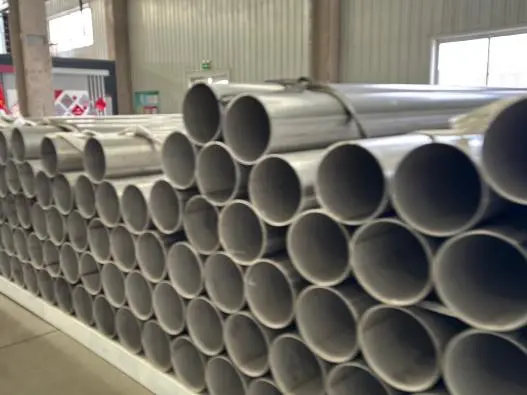
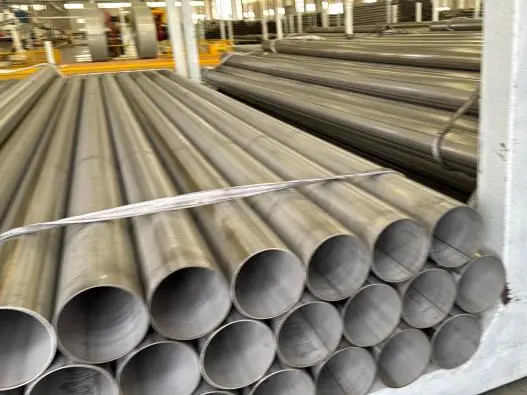
Understanding ASTM A312 Welded Stainless Steel Pipes
The ASTM A312/A312M-22 standard tells you how to make and check the quality of austenitic stainless steel lines that are welded or smooth and are used in places with high temperatures or general corrosion. This standard is one of a kind because it covers a lot of different types and ways to make things so that it can meet the needs of many different businesses.
Core Technical Specifications and Grades
When it comes to ASTM A312 Welded Stainless Steel Pipes, there are different kinds of austenitic stainless steel. Each one is made to handle a different range of weather and operational issues. TP304 and TP304L are the types that people ask for the most. They don't rust easily and are used a lot in chemical processes and water treatment. The molybdenum percentage in TP316 and TP316L is between 2 and 3 percent. This makes them much more resistant to pitting and crevice corrosion in chloride-rich environments, such as desalination plants and marine uses. Types like TP321 and TP347 are made stronger with titanium and niobium, respectively, for use at high temperatures. This keeps carbide from forming when cutting or being exposed to heat for a long time. Types that can handle high temperatures, like TP309S and TP310S, don't decompose above 1000°C. This makes them great for furnace parts and heat exchanges used in power plants.
It's also really cool that the lines can change sizes. These pipes come in a wide range of sizes, from NPS 1/8" to 48" (DN6 to DN1200, or Ø10.3 mm to Ø1219 mm) outside diameter, and wall thicknesses from Schedule 5S to Schedule XXS. Their versatility means that they can be used in a wide range of piping systems, from light-duty building service systems to heavy-duty industrial pressure systems.
Manufacturing Processes and Quality Assurance
ASTM A312 lets you make things in three different ways: the first is seamless (SMLS), the second is welded (WLD), and the third is highly cold worked (HCW). The version that is welded doesn't add any new metal and uses automatic fusion welding methods like TIG (Tungsten Inert Gas) or ERW (Electric Resistance Welding). If you do it right and heat it up, this method makes a seam that runs lengthwise and is as strong as the base metal.
During the process of making pipes, they are all heated to around 1040°C and then cooled in water. This is called solution annealing and thermal cooling. This important step breaks down carbides, makes the metal less likely to rust, and lowers the stress that was created during shaping and welding. Surface processes like pickling, bright annealing, polishing, and passivating can make the metal look better and make it less likely to rust, depending on what the product needs.
To make sure the quality of their products meets the standards set by ISO 9001, PED, and ISO 17025, YOUFA follows strict processes. Some of the papers that can be found are Material Test Certificates (MTC/MTR 3.1/3.2), Third-Party Inspection reports (TPI), Welding Procedure Specifications (WPS/PQR), Manufacturing Process Sheets (MPS), and UT/RT testing reports. This detailed paper trail makes sure that everything can be found and that buying standards around the world are met.
Comparative Analysis: ASTM A312 Welded Pipes vs Alternatives
When people who work in buying know how ASTM A312 Welded Stainless Steel Pipes compare to other pipe options, they can make smart decisions that balance cost, performance, and supply.
Welded vs Seamless Construction
There is a big difference between welded and seamless pipes in how they are made and how they work. Smooth pipes are covered by standards such as ASTM A213 and ASTM A312 (SMLS form). When solid billets are pierced, a pipe is made that doesn't have any weld seams along its length. You don't have to worry about how strong the weld is, but it costs more, especially for bigger sizes. Welded pipes, on the other hand, are made from a flat-rolled plate or strip, and very exact soldering joins the ends together. Modern methods of welding and strict heat treatment after welding have made the performance gap much smaller. Most of the time, welded pipes that are made correctly now meet the same standards for protecting against pressure and rust.
Welded construction saves a lot of money and makes things easier to find for large-diameter uses, usually those that are bigger than 14 inches NPS. It is possible to make more welded pipes, which means shorter lead times. This is very helpful for planning tasks and keeping track of costs.
Grade Selection: TP304 vs TP316 Considerations
You need to know how much rust protection you need and how much money you have before you choose between TP304 and TP316 grades. About 18% of TP304 is chromium, and 8% is nickel. This makes it very immune to rust in air and most acids and bases. It works well in freshwater systems, tools used to make food, and building projects where chloride exposure is low. It is safer to weld with the low-carbon version TP304L, which is why it is recommended for pre-made parts.
Both TP316 and TP316L have 2 to 3 percent molybdenum in them. This makes them much less likely to crack when they are exposed to chloride. Because of this, they are needed for sites near the coast, chemical work that uses halides, and making medicines. Most of the time, TP316 costs 15 to 25 percent more than TP304, but this is worth it when rust in one area would cost a lot of money or put people in danger. TP316L is the best grade for new energy uses like making hydrogen through electrolysis because it doesn't rust as easily in clean water and can handle changes in pH levels.
Procurement Guide for ASTM A312 Welded Stainless Steel Pipes
To buy ASTM A312 Welded Stainless Steel Pipes successfully, you need to think ahead about your technical needs, the skills of the seller, and how to make sure that everything works out.
Key Price Determinants and Budgeting
Several things affect how much ASTM A312 pipes cost when they are delivered. The biggest difference is the quality of the material. Specialty grades like TP317L and TP347H cost more than regular TP304. The price is also affected by the pipe's size, since bigger widths and heavier wall schedules need more raw materials and take longer to prepare. Finally, the size of the order is very important. For trial and repair needs, YOUFA only requires a minimum order of one pipe. However, buying in bulk can unlock economies of scale that can cut unit costs by 10 to 20%.
Surface finish needs make things more expensive. Electropolished surfaces cost the most because they are often needed for uses in semiconductors and pharmaceuticals. Extra tests and heat treatment, like a 100% radiography exam, also add to the cost, but they are necessary to make sure the quality for high-impact uses.
Supplier Evaluation and Risk Mitigation
Because YOUFA is a recognized and well-known provider, you can be sure that the project will be successful in the long run. Look for companies that have up-to-date ISO 9001 quality management certifications, testing labs that are approved by the European Union's PED (Pressure Equipment Directive), and ISO 9001 quality management certifications. The fact that YOUFA's lab is ISO 17025-accredited and has TÜV approval shows that they follow world quality standards.
When planning big projects, it's important to know how much the seller can make. YOUFA has 15 production lines that can make 50,000 tons of steel every year. This means that they can handle both small custom orders and large building projects without slowing down delivery times. Also, they can turn around orders quickly—delivery to Tianjin Port can happen in as little as seven days, which helps keep building schedules on track and cuts down on the cost of having stock on hand.
You can tell the difference between professional suppliers and stock vendors by looking at their work. To show that procurement teams are meeting their quality standards and legal responsibilities, they need to show proof of things like full material traceability through MTR 3.1/3.2 certificates, process documentation through WPS/PQR records, and inspection reports from third parties they don't work with.
Application Scenarios and Benefits of ASTM A312 Welded Pipes
ASTM A312 Welded Stainless Steel Pipes really show how useful they are when they are used in tough industrial settings where failure is not an option.
New Energy and Electrochemical Systems
The lines that carry hydrogen are under a lot of stress when water electrolysis is used to make it. When high-purity water, changing pH levels, and oxygen production come together, they make an environment that quickly breaks down weak materials. TP316L lines that meet the requirements of ASTM A312 don't rust at the points where two different types of plates meet, and they keep their shape even when the pressure changes. Because it has a low carbon content, it doesn't become sensitive during fabrication. This means that weld zones keep the same amount of corrosion protection as the parent material. YOUFA's solution-annealed and passivated pipes are also useful for fuel cell makers because they have clean surfaces and can be worked on without getting contaminated.
Chemical and Petrochemical Processing
Because it doesn't rust, austenitic stainless steel is used in chemical plants that use strong acids and organic solvents. Chemical purity is very important in the pharmacy and specialty chemical businesses, and ASTM A312 pipes are a safe way to move process fluids. A bright annealing or electropolishing process can be used to make the inside of the metal smooth. This lowers the pressure drop and keeps the product clean. Heavy-duty transfer lines can be put in for less money when they are welded together. This lowers the project's capital costs without lowering safety gaps.
Power Generation and Thermal Management
Pipes in power plants and commercial boilers are subjected to harsh chemicals in the cooling water, high temperatures, and different temperatures. It is possible for grades TP321 and TP347 to stay strong against intergranular rust, even after being heated and cooled many times. When used in heat exchangers, austenitic stainless steel's ability to conduct heat well and its resistance to rust make it a durable choice that will last for decades. YOUFA's exact wall thickness control—which stays within the ASTM A312 range of +15 to +22.5% / -12.5%—makes it possible to calculate pressure correctly and build a safe system.
How to Choose the Right ASTM A312 Welded Stainless Steel Pipe for Your Project
For picking the best pipe specs, you need to think about the budget, the working conditions, and the performance needs for your ASTM A312 Welded Stainless Steel Pipes.
Evaluating Operating Conditions
Write down what the gas or fluid is made of first, like the pH range, the amount of chloride, and any dangerous chemicals that are present. Whether standard grades are enough or if special high-temperature metals are needed depends on the temperature ranges, which include both working and possible changes. By following the safety rules in ASME B31.3 or B31.1, pressure values must take surge situations and safety factors into account.
If you want to use hydrogen or oxygen for new energy purposes, you should make sure that the material can handle high temperatures and pressures. For making electronics and medical devices, the insides need to be very clean, so finishes that are brightly annealed or electropolished are needed. If the people who make automotive parts need a material with a controlled surface roughness that is good at conducting electricity, they can choose TP304.
Certification and Compliance Verification
Make sure the company you buy from gives you all the information you need about the materials they use. YOUFA gives full tracking by using heat-coded material certificates to link each pipe to the place where it got its raw materials and the conditions under which it was made. A third party can check the size, technical features, and quality of the weld on a pipe before it is shipped. It costs less to get reviews this way, and projects get done faster.
Regulations cover more than just the features of materials. They also cover how things are made and the quality processes that are in place. For instance, a supplier's PED approval means that they follow European safety rules, and their ISO 9001 registration means that they handle quality in a structured way. People who buy from this provider can be sure that their methods will not change from one order to the next. This ensures stable quality and fewer problems during installation.
Optimizing Procurement Strategy
If you plan to buy pipes early in the project, you can find a good mix between lead time needs and price limits. When you are developing a design, working with suppliers like YOUFA can help you find places where standard specs can be used instead of custom ones without hurting performance. By spreading out the amount across several projects or stages, you can save money and still keep your inventory flexible by allowing deliveries to happen at different times.
If your providers let you change the minimum order amount, it can help you handle sudden wants. For instance, YOUFA's single-pipe MOQ lets you make prototypes, fix things quickly, and add more to a project without having to buy in bulk, which isn't always the best deal. This adaptability is very helpful in industries like making medical devices or aircraft, where approval needs might require small first orders before production can be increased.
Conclusion
ASTM A312 Welded Stainless Steel Pipes are a tried-and-true, low-cost choice for fields that need strong protection against rust, reliable structure, and long-term use. They come in many types, from general-use TP304 to specialized high-temperature alloys. This means they can be used in new energy systems, making semiconductors, handling chemicals, and generating electricity. Thanks to advanced welding methods and strict heat treatment rules, welded pipes work just as well as smooth pipes, but they are much cheaper and easier to find. When you want to buy something, you should only deal with approved sellers who can show that their manufacturing skills, quality systems, and clear paperwork meet international standards. They should also provide quick customer service and a range of delivery choices.
FAQ
What distinguishes ASTM A312 welded pipes from seamless alternatives?
In ASTM A312, the main difference between seamless and ASTM A312 Welded Stainless Steel Pipes is how they are made. Welded pipes are made from flat-rolled metal and a lengthwise fusion weld, while solid billets are pierced to make seamless pipes. When made correctly and heated, welded pipes usually have the same mechanical qualities and corrosion protection as seamless pipes. However, they are cheaper and easier to find for diameters bigger than NPS 14".
How does TP304L differ from TP304 in practical applications?
TP304L has less carbon than TP304 (maximum 0.035% vs. 0.08%), which keeps carbides from forming at the edges of the grains during welding and high-temperature exposure. This makes TP304L better for welding large sections and tasks that need to be done for a long time at sensitization temperatures (425–815°C), which lowers the risk of intergranular rust in harsh environments.
Can I use ASTM A312 pipes for hydrogen production systems?
In fact, the TP316L grade, which is based on ASTM A312, is often used to make hydrogen through electrolysis because it doesn't rust easily in very pure water and can be mixed with hydrogen under pressure. The low carbon content also stops sensitization during manufacturing, so weld zones will not rust even after decades of use.
Partner with YOUFA for Reliable Stainless Steel Piping Solutions
YOUFA has high-quality ASTM A312 Welded Stainless Steel Pipes ready to help you with your next project. These pipes are made to last in harsh industrial settings. We are a reputable seller that is known among China's top 500 companies. We have 15 modern production lines that can each make 50,000 tons of goods a year, and we have full certifications such as ISO 9001, PED, ISO 17025 laboratory accreditation, and TÜV proof. Our team of more than 200 professionals offers full paperwork packages, flexible order amounts starting at a single pipe, and fast delivery to Tianjin Port in as little as seven days. They can help you find materials for hydrogen production plants, chemical processing plants, or semiconductor manufacturing systems. Contact our team right away at info@youfass.com to talk about your specific needs and get a cheap quote that fits your project.
Online Message