
Aug 31, 2026
Can ASTM A790 Super Duplex Stainless Steel Pipes Reduce Pipeline Failures?
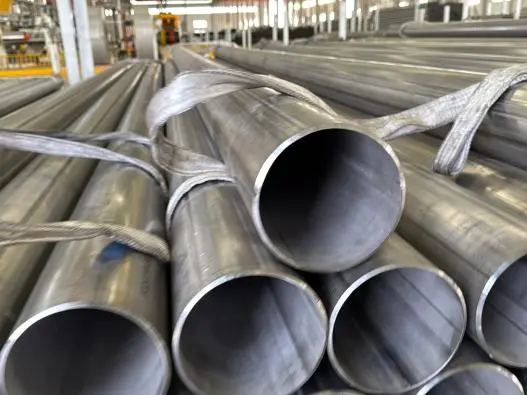
Yes, ASTM A790 Super Duplex Stainless Steel Pipes can substantially reduce pipeline failures by offering exceptional resistance to chloride-induced stress corrosion cracking, pitting, and crevice corrosion—common culprits behind premature system breakdowns. With a Pitting Resistance Equivalent Number (PREN) exceeding 40 and a balanced duplex microstructure of approximately 50% austenite and 50% ferrite, these pipes deliver superior mechanical strength and corrosion resilience in harsh chemical, marine, and high-pressure environments. Their advanced metallurgy addresses critical weaknesses found in standard 300-series stainless steels, making them a strategic investment for industries prioritizing reliability and uptime.
|
|
|
Introduction
One of the most expensive and troublesome things that can happen in industry is a pipeline failure. Whether you're in charge of a fuel cell factory, a chemical processing plant, or the production of auto parts, unexpected pipe failures can cause production to stop, safety issues, fines from the government, and stressed relationships with clients. We know how hard it is for procurement managers and engineers to choose materials that will last and not break down when exposed to harsh chemicals, high temperatures, or mechanical stress.
This piece talks about how ASTM A790 Super Duplex Stainless Steel Pipes have been shown to help keep pipeline breakdowns to a minimum. We'll look at why these things are breaking down, the engineering properties that make super duplex alloys work, and some useful tips for buying and installing them. Thereafter, you'll have a good idea of whether these high-performance pipes meet your needs and how they can help protect your infrastructure investment.
Understanding Pipeline Failures and Their Causes
Pipeline failures rarely happen without warning, but a lot of companies have trouble finding weak spots before they cause major problems. Corrosion is still the main cause, especially in places where chlorides, acids, or changing pH levels are present. Pitting corrosion makes weak spots in the pipe walls that let corrosion through, and stress corrosion cracking combines tensile stress with corrosive media to cause sudden breaks.
These chemistry problems are made worse by mechanical forces. Even strong materials can wear out over time from sudden changes in temperature, pressure, and shaking. When something is manufactured incorrectly, like not properly heating, contaminating the weld, or not balancing the phases, it can lead to failure points that are not visible until it is installed.
The Business Impact of Pipeline Downtime
There are effects on many operations when pipelines fail. Skilled technicians are taken away from regular projects to do unplanned repairs, which extends lead times and delays deliveries. Fixing things in an emergency usually costs three to five times as much as replacing them before they break. Safety incidents lead to investigations by the government, possible lawsuits, and damage to the company's reputation, which hurts customer trust and future contract opportunities.
Even small leaks can hurt the quality of the product and the efficiency of the system for companies that are making new energy using hydrogen production systems or fuel cell assemblies. Chemical makers also have problems, because the soundness of their pipelines affects both the quality of their products and their ability to follow environmental rules. Knowing about these risks helps buying teams make the case for spending more on high-quality products that improve reliability in a way that can be measured.
Material Quality as a Root Cause Factor
In business settings, not all types of stainless steel work the same. Standard austenitic grades, such as 304 and 316, don't rust in most situations, but they aren't strong enough or resistant to chloride to be used in seawater, acidic environments, or high-pressure situations. Even though carbon steel is cheap, it needs a lot of coating and upkeep to keep it from breaking down quickly. If you choose the wrong materials based only on how much they cost at first, they will cost you more in the long run because they will wear out faster and need more upkeep.
Why ASTM A790 Super Duplex Stainless Steel Pipes Are Engineered to Address These Challenges
Super duplex stainless steels are a big step forward in metal technology compared to regular alloys. The ASTM A790 standard covers both seamless and welded ferritic/austenitic pipes that are made to work in harsh industrial settings. The dual-phase microstructure takes the best features of both austenitic and ferritic steels and mixes them to make a steel that is both strong and resistant to rust.
Advanced Alloy Chemistry
Super duplex alloys such as S32750 and S32760 contain high levels of chromium (24–26%), molybdenum (3–5%), and nitrogen, giving ASTM A790 Super Duplex Stainless Steel Pipes excellent resistance to localized corrosion in demanding environments. Their PREN values are typically above 40, providing greater resistance to pitting and crevice corrosion than standard duplex grades with PREN values around 35. S32760 also contains additions of copper and tungsten, which can improve its performance in certain mineral-acid environments, including hydrochloric and sulfuric acid applications used in chemical processing and metallurgical operations. For these demanding services, ASTM A790 Super Duplex Stainless Steel Pipes can provide a useful combination of corrosion resistance and mechanical strength. Selecting ASTM A790 Super Duplex Stainless Steel Pipes with the appropriate grade and composition helps manufacturers match material performance to specific chemical and industrial conditions. In applications where localized corrosion resistance is critical, ASTM A790 Super Duplex Stainless Steel Pipes can offer a durable piping solution when properly specified.
Nitrogen is important for more reasons than just protecting against rust. It makes the austenite phase stronger, raises the yield strength to at least 80 ksi, and makes the material less likely to crack from chloride stress corrosion. This mix makes it possible for pipe walls that are smaller to handle the same pressures as those made of lower-grade metals. This makes the system lighter and easier to install.
Optimized Microstructure Through Manufacturing
As part of our production process, we use controlled solution annealing to make sure that the austenite and ferrite phases are balanced 50/50. This balance makes the material as tough and strong as possible while stopping harmful phases from forming. When you cool something quickly after annealing, you stop the formation of sigma phase precipitation, an intermetallic compound that forms between 600°C and 1000°C and makes it much less resistant to corrosion and impact.
As part of quality assurance, ASTM A923 metallographic examination is used to find harmful phases in pipes before they get to customer facilities. This kind of preventative testing finds problems before they happen in the field, which protects your project's schedule and budget.
Temperature and Pressure Capabilities
When temperatures need to be kept mild, up to 250°C, super duplex pipes work great. After this point, the ferritic phase embrittlement starts to become a problem, which limits its use at high temperatures. But these pipes can handle much higher pressures when they are working at their best, compared to austenitic pipes with the same wall thickness. Because of this, they are perfect for places like petrochemical plants, desalination plants, and remote sites where space and weight are limited.
Performance Comparison: ASTM A790 Super Duplex vs Alternative Materials
To choose the right material for piping, you need to know how to balance performance trade-offs between things like resistance to corrosion, mechanical properties, temperature limits, and the total cost of ownership. We've helped buying teams in many different fields use a structured approach to analyze these factors.
Super Duplex vs Standard Duplex Alloys
Standard types of duplex metals, like S32205, are stronger and less likely to rust than super duplex metals. But because their PREN numbers are around 35, they can't be used in oceans or places with a lot of chlorine. Super duplex grades last longer in these conditions, cutting down on the number of times they need to be replaced and the amount of time they need to be maintained. The bigger original investment pays off by letting the system work for longer without any problems caused by rust.
Super Duplex vs Austenitic 316 Stainless Steel
Type 316 stainless steel is still popular because it is easy to find and is known for being strong. Its austenitic structure makes it easy to work with and tough at very low temperatures. 316 metals, on the other hand, crack when exposed to chloride stress above 60°C in saltwater or marine environments. Super duplex materials don't fail in this way and have almost twice the yield strength, which lets designers make pipes that are lighter and smaller, which lowers the cost of installation and makes the system more flexible.
Super Duplex vs High-Performance Austenitic Grades
Premium austenitic alloys such as 904L and AL-6XN offer excellent corrosion resistance and can approach the performance of ASTM A790 Super Duplex Stainless Steel Pipes in certain environments. These high-alloy materials can be advantageous in high-temperature applications above 250°C, where super duplex alloys may have limitations. However, their higher nickel content can increase material costs and expose buyers to greater price fluctuations. For moderate-temperature applications, ASTM A790 Super Duplex Stainless Steel Pipes can provide a strong combination of corrosion resistance, mechanical strength, and cost efficiency. When service conditions are suitable, ASTM A790 Super Duplex Stainless Steel Pipes can deliver reliable performance without the higher alloying costs associated with some premium austenitic grades. For procurement teams focused on lifecycle value, ASTM A790 Super Duplex Stainless Steel Pipes can therefore be an effective option for balancing durability, corrosion resistance, and overall project cost.
Total Cost Analysis Considerations
The initial cost of materials is only one part of lifetime economics. Think about installation costs, upkeep schedules, expected service life, and downtime costs when comparing options. To get the same pressure rating, super duplex pipes usually need 30–40% less wall thickness than austenitic types. This saves weight and time during welding. Their long service life means they don't need to be replaced as often, and their resistance to rust means they don't need to be inspected or maintained as often. In the first working run, these factors often make up for higher costs up front.
Practical Considerations for Procurement and Application
Super duplex piping systems can only work if the specifications, suppliers, and installation methods are carefully thought out. We've helped a lot of projects go through this process and found key success factors.
Specification and Certification Requirements
When buying ASTM A790 pipes, you should be clear about the grade (S32750 or S32760), shape (seamless or welded), size, and testing that is needed. Need material test records (MTRs) that show the chemical make-up, mechanical qualities, and heat treatment settings. Third-party certification from well-known inspection agencies is another way to make sure that materials meet the standards of the design.
UNS (Unified Numbering System) designations make it clear what a piece of material is. S32750 is the same as the UNS number, which makes sure that all international supply chains are consistent. Standardization stops misunderstandings that could cause the wrong material to be used instead, which could then cause failures in the field.
Supplier Qualification and Quality Traceability
If you choose qualified providers, you can keep fake or low-quality products out of your supply chain. We have complete quality management methods that cover everything from getting the raw materials to checking the finished product. Our material tracking connects each pipe to a specific mill heat, which lets us look into problems quickly if they happen in the field.
Look for suppliers that have ISO certification, clear communication channels, and written quality procedures. When buying materials for important uses, ask for facility audits or quality assessments by a third party. Spending money on qualifying suppliers now saves a lot of money in the long run.
Welding and Fabrication Best Practices
To keep phase balance and rust protection in weld zones, super duplex materials need to be welded with strict rules. Heat input must stay between 0.5 and 1.5 kJ/mm to keep harmful phases from forming or too much ferrite from forming. To make up for the fact that ferrite solidifies faster than filler metals when they cool, 2-3% more nickel should be added to the mixture.
Cleaning the surface before welding gets rid of any dirt or dust that might cause holes or a partial fusion. Post-weld heat treatment isn't usually needed, but it can be asked for in heavy-wall parts. Welding processes and qualified welders are very important—wrong welding is the most common reason why materials that should last fail early.
Installation and Maintenance Strategies
Proper handling during installation helps prevent surface damage that could create initiation sites for corrosion in ASTM A790 Super Duplex Stainless Steel Pipes. Avoid direct contact between the stainless steel surface and carbon steel tools or supports, as iron contamination can promote localized corrosion. After fabrication and installation, appropriate passivation procedures can help restore the protective chromium oxide layer that may have been disturbed during manufacturing. Careful installation practices are therefore important for maintaining the corrosion resistance of ASTM A790 Super Duplex Stainless Steel Pipes. By protecting the surface throughout handling, fabrication, and installation, ASTM A790 Super Duplex Stainless Steel Pipes can maintain reliable performance in demanding service environments. Consistent surface protection and proper passivation also help ensure that ASTM A790 Super Duplex Stainless Steel Pipes deliver their expected long-term corrosion resistance.
Visual inspections, laser thickness measurements, and non-destructive tests of high-stress areas should all be part of regular maintenance plans. Even though super duplex materials are very good at resisting rust, no material is completely safe from breaking down. Finding problems early on lets you fix them before they become problems.
Case Studies and Real-World Impact: Success Stories with ASTM A790 Pipes
Real-world examples show how super duplex pipes lower the number of failures in many different types of businesses. A big company that runs offshore platforms switched from 316L stainless steel saltwater pumping lines to S32750 super duplex pipes. Within the first year of operation, corrosion-related maintenance dropped by 75%, and the platform was able to keep running through storm seasons that had been troublesome in the past. The operator said they got their money back within 18 months by cutting down on emergency fixes and increasing the time between inspections.
Chemical Processing Plant Upgrade
Even though they used duplex materials, a chemical company that made chlorine compounds had process pipes that kept pitting every three to four years. After switching to S32750 pipes, the facility ran for five years without having to shut down because of corrosion. Based on data from annual inspections, the surface didn't change much, which means the service should last longer than 20 years. The plant engineering team said that the huge increase in reliability was due to better PREN values and proper welding training.
Desalination Plant Reliability Enhancement
Stress corrosion cracking happened in heat exchanger tubes and brine outlet lines at a desalination plant that dealt with high-salinity feedwater. Cracking problems were fixed by switching from standard stainless steel parts to super duplex alternatives. The plant's availability went up from 82% to 96%, which meant that it could regularly meet its contractual water delivery responsibilities. Maintenance costs went down by 60%, and the plant didn't have to pay fines to the government as it did before when it shut down without warning.
Lessons Learned Across Applications
These success stories have a lot in common. Reliable performance starts with choosing the right materials for the job and making sure they work well together. Qualified welding and assembly techniques that are qualified make sure that field welds meet the properties of the base material. Ongoing upkeep systems find problems as they start to happen, before they become major problems. Companies that use these methods see improvements in uptime, safety, and total cost of ownership that can be measured.
Conclusion
ASTM A790 Super Duplex Stainless Steel Pipes have been shown to be reliable in harsh industrial settings where other materials fail quickly. Their high resistance to corrosion, high mechanical strength, and improved metal properties get to the bottom of why pipelines break, which slows down operations and raises costs. The higher starting cost compared to regular alloys might make buying teams think twice, but the overall value over the lifetime through longer service life, less upkeep, and better uptime makes up for it. These benefits are maximized by careful specification, choosing a qualified supplier, and following the right installation procedures. This protects infrastructure investments and helps businesses stay open in the new energy, chemical processing, automobile, and industry sectors.
FAQ
What makes super duplex different from standard duplex stainless steel?
Because super duplex grades have more chromium and molybdenum, their PREN values are higher than 40, compared to about 35 for standard duplex. This improved chemistry makes it much more resistant to stress corrosion cracking, pitting, and crevice corrosion in chloride environments. Also, super duplex materials have a higher yield strength, which lets system designs have smaller walls and be lighter.
Can ASTM A790 pipes handle high-temperature applications?
These pipes work well up to about 250–300°C, but they can't go above that because the ferritic phase becomes weak at 475°C. Austenitic grades, such as 904L or nickel alloys, may be better for uses that need higher temperatures. Always make sure that the temperature range works with the way you're using it.
How do you ensure proper phase balance in welded joints?
Keeping the 50/50 balance between austenite and ferrite needs controlled heat input of 0.5 to 1.5 kJ/mm and filler metals that have 2 to 3 percent more nickel added to them. Consistent results are guaranteed by qualified welding procedures that were created through testing and by trained welders who follow those procedures. A ferrite test done after the welding process shows that the phase balance is correct.
Are both seamless and welded options available?
As long as the pipe is not welded, ASTM A790 covers both types. When it comes to high-pressure applications that need to be very reliable, seamless pipes are better. On the other hand, welded pipes are cheaper for larger diameters. The choice is based on the required pressure, the width, and the importance of the purpose. When made correctly, both kinds meet the standards of the specification.
Partner with YOUFA for Certified Super Duplex Piping Solutions
YOUFA is ready to meet your needs for super duplex stainless steel pipes with quality and manufacturing know-how you can trust. Since 2017, our 15 production lines have sent 50,000 tons of stainless steel pipes to customers around the world for use in building services and industry settings. We are a dedicated ASTM A790 Super Duplex Stainless Steel Pipes seller, and to make sure every pipe meets the standards, we use strict control over the raw materials, a wide range of testing tools, and quality management that can be tracked.
To get the most out of your piping system, our expert team can help you with application advice, material selection, and on-site setup. We are happy to work with global distributors, project contractors, and industrial end-users who are looking for dependable manufacturers of super duplex pipes who can provide quick service and on-time delivery. You can talk to us about your project needs, get certified samples, or get cheap quotes that help you reach your buying goals by emailing us at info@youfass.com or visiting youfass.com.
Online Message