
Sep 4, 2026
Can ASTM A789 Duplex Steel 2205 Tubing Reduce Corrosion Maintenance Costs?
Yes, ASTM A789 Duplex steel 2205 tubing significantly reduces corrosion maintenance costs through its exceptional resistance to chloride-induced pitting, crevice corrosion, and stress corrosion cracking. The material's dual-phase microstructure—approximately 50% austenite and 50% ferrite—delivers twice the yield strength of austenitic grades while maintaining superior corrosion performance in aggressive environments. Industries relying on heat exchangers, chemical processing systems, and marine applications experience measurably lower repair frequencies, extended equipment lifecycles, and reduced unplanned downtime when specifying this high-performance alloy over conventional stainless steel alternatives.
|
|
|

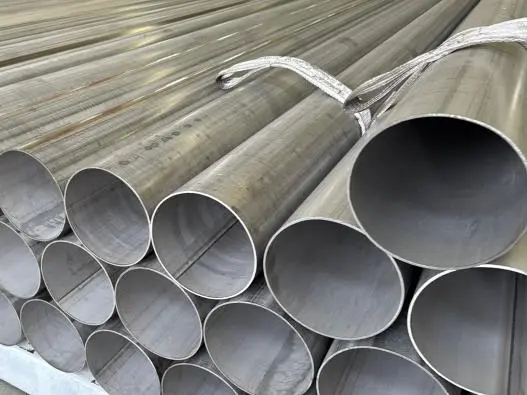
Understanding ASTM A789 Duplex Steel 2205 Tubing and Its Corrosion Resistance
What Makes This Alloy Unique?
ASTM A789 Duplex steel 2205 tubing is unique because it has a carefully controlled chemical make-up of 22% chromium, 5-6% nickel, 3% molybdenum, and 0.14–0.20% nitrogen. This metal mix has a Pitting Resistance Equivalent Number (PREN) higher than 34, which means it is very good at protecting against localized corrosion processes that happen to regular materials in chloride-rich settings. The nitrogen in the material keeps the austenite phase stable and improves its resistance to cracking, making it perfect for harsh service conditions.
Dual-Phase Microstructure Advantages
It is the balanced ferrite-austenite structure that takes the best features of both phases and puts them together. Ferrite gives the metal its high strength and resistance to stress corrosion cracking, while austenite makes it tough and easy to weld. Because of this synergy, the minimum tensile strength is 655 MPa (95 ksi), and the minimum yield strength is 450 MPa (65 ksi). This lets engineers make parts with thinner walls without affecting the structural integrity. In heat exchanger applications, thinner walls make heat movement more efficient while also lowering the cost of the materials.
Heat Treatment and Phase Optimization
Solution annealing at temperatures between 1040°C and 1100°C is used to make duplex 2205, which is then quickly quenched. This heat treatment makes sure that the phases are spread out correctly and stops the formation of harmful intermetallic compounds, such as the sigma phase, which can make rust resistance much worse. Reputable makers use ASTM E562 guidelines for microstructure analysis to check the 40–60% ferrite-to-austenite ratio. This makes sure that all production batches work the same.
Corrosion Challenges in Industrial Applications and How Duplex 2205 Addresses Them
Common Corrosion Failures in Process Industries
Failures in industrial settings are often caused by corrosion, which drives up maintenance costs and threatens operational continuity. ASTM A789 Duplex steel 2205 tubing offers a strong combination of corrosion resistance and mechanical strength for applications exposed to demanding service conditions. Pitting corrosion can begin at weak spots on the surface and develop into localized penetration through the tube wall. Crevice corrosion can occur in protected areas where corrosive elements become concentrated because of stagnant fluid. Stress corrosion cracking may develop when tensile stress and corrosive media act together, potentially causing severe damage without obvious warning signs. These corrosion mechanisms can affect equipment used in pulp mills, desalination plants, offshore platforms, and chemical processing facilities. By selecting ASTM A789 Duplex steel 2205 tubing for suitable applications, engineers can improve resistance to chloride-related corrosion and support longer equipment service life. Properly specified ASTM A789 Duplex steel 2205 tubing can also help reduce maintenance requirements and improve reliability in demanding industrial environments.
Performance Comparison with Standard Grades
When we compare how well duplex 2205 works as a material to 316L austenitic stainless steel, it is clear that it is better. Because it has more chromium and molybdenum, it is about three times less likely to pit when chloride is present. The material works better in places with sulfur, which makes it perfect for use in sour gas service where 316L breaks too soon. Carbon steel alternatives need to be coated with protective materials and replaced often, but duplex 2205 stays strong as bare metal for long periods of time.
Real-World Application Benefits
Manufacturers of heat exchangers use duplex 2205 tubes for systems that are cooled by seawater and serve power plants and industrial plants. The substance can handle high levels of chloride and temperatures of up to 315°C (600°F) without breaking down. The material is stable in both acidic and basic solutions, which is good for electrochemical processing equipment like electrolytic cells, bipolar plates, and electrode assemblies. Suppliers of automotive battery modules use duplex tubes for heat management systems that need to be reliable over a long period of time and in a range of temperatures.
Evaluating Cost Benefits: Maintenance Savings Through Material Selection
Direct Maintenance Cost Reduction
By choosing split 2205 tubing, you can avoid the ongoing costs of managing rust. Conventional materials need protective sealing systems that need to be checked, fixed, and reapplied on a regular basis. These finishes add costs up front and require regular upkeep for the life of the equipment. Duplex 2205 works well without coverings, so these types of costs are completely eliminated. With duplex alloys, replacement intervals are 15-20 years or longer, compared to 3–5 years for standard austenitic materials. This greatly reduces the number of times that capital expenditures are needed.
Indirect Cost Savings and Operational Benefits
Unplanned shutdowns for emergency repairs cost a lot of money on top of the direct costs of repairs. During downtime, production losses are often many times greater than repair costs. Safety problems caused by corrosion failures lead to fines from regulators, legal trouble, and damage to the company's reputation. The reliability profile of Duplex 2205 reduces these risks to a minimum, which lets businesses stick to their production plans and delivery promises. Predictable repair windows make it easier to plan work schedules and allocate resources.
Lifecycle Economic Analysis
Lifecycle cost modeling shows that ASTM A789 Duplex steel 2205 tubing can be more cost-effective over the long term, even when its initial material cost is higher. When maintenance, downtime, and replacement expenses are considered for a typical heat exchanger application over 20 years, ASTM A789 Duplex steel 2205 tubing can provide significant lifecycle cost advantages when its corrosion resistance and service life match the operating conditions. Bulk procurement can further improve purchasing economics by securing volume discounts and reducing transaction costs. Increasingly, engineering firms recommend ASTM A789 Duplex steel 2205 tubing for new installations after conducting comprehensive cost-benefit analyses that consider actual operating conditions and maintenance histories from comparable facilities. For projects where long-term reliability and total cost of ownership are priorities, ASTM A789 Duplex steel 2205 tubing can offer a practical balance between initial investment and long-term performance. Careful specification of ASTM A789 Duplex steel 2205 tubing helps ensure that the selected material provides the required value throughout the equipment lifecycle.
How to Procure ASTM A789 Duplex Steel 2205 Tubing: Best Practices for B2B Buyers
Essential Quality Standards and Certifications
ASTM A789 should be used for welded tubing in procurement requirements, and ASME SA789 should be used for boiler and pressure vessel uses. Pipe goods that are smooth or welded are covered by ASTM A790. Mill Test Reports (MTRs), which are used to certify materials, must check their chemical make-up, mechanical qualities, and heat treatment factors. Checking the nitrogen content is an important requirement because it has a direct effect on phase stability and pitting resistance. Dual certification to both S31803 and S32205 marks shows that the material meets strict compositional limits that improve its corrosion performance.
Supplier Evaluation Criteria
Suppliers you can trust show they can make things by listing their production capacity, quality control systems, and testing facilities. Here are the most important things that are used to choose qualified manufacturers:
Production Capacity and Infrastructure: Well-known companies run several production lines that produce more than 10,000 tons of goods every year, making sure that big projects always have enough supplies. Modern factories have automatic welding systems that keep precise control over the heat input, which is important for keeping the duplex microstructure integrity in welded tubes.
Quality Assurance Protocols: Full testing programs include ASTM G48 Method A ferric chloride immersion testing to make sure the material doesn't pit, 100% eddy current or hydrostatic testing to find flaws, and checking the size according to ASTM A1016 tolerances. Flaring, flanging, and hardness tests (usually up to 32 HRC or 290 HBW) are all parts of mechanical proof that make sure the part can be made.
Technical Support Services: Top suppliers offer metallurgical advice, help with application engineering, and support during commissioning on-site. These services are helpful when choosing materials, coming up with new welding procedures, and settling quality disputes.
Thoroughly checking out a seller keeps you safe from getting low-quality materials that hurt the structure of the project and take away the corrosion resistance benefits that make duplex steel a good choice.
Procurement Logistics and Order Optimization
Minimum order quantities for ASTM A789 Duplex steel 2205 tubing depend on the manufacturer and product dimensions, but standard sizes are often supplied in quantities of around 1 to 5 tons. Lead times for ASTM A789 Duplex steel 2205 tubing may range from 4 to 8 weeks for stock items and 8 to 16 weeks for made-to-order products requiring special production runs. Strategic buyers should align ASTM A789 Duplex steel 2205 tubing purchasing schedules with project timelines while allowing sufficient time for shipping, customs clearance, and potential logistics delays. When purchasing ASTM A789 Duplex steel 2205 tubing for multiple projects, consolidated orders can also provide opportunities to negotiate more favorable pricing and delivery terms. Careful procurement planning helps ensure that ASTM A789 Duplex steel 2205 tubing arrives when needed without creating unnecessary inventory or project delays.
Future Trends and Innovations in Duplex Steel Tubing for Corrosion Management
Advanced Manufacturing Technologies
The duplex steel industry is always improving the ways they make their products to make them better and more cost-effective. Controlled cooling rate technologies make phase distribution more accurate, which makes tubes with narrower ranges of mechanical properties. New technologies for finishing surfaces make them smoother so that corrosion doesn't start at the places where they meet active media. This increases the service life in those environments. Artificial intelligence-based automated inspection systems find small flaws that are missed by traditional testing methods, which raises the quality of the finished product.
Growing Market Adoption Across Industries
A study of the market shows that duplex 2205 is being used more and more in green energy infrastructure, especially in hydrogen production plants that need corrosion-resistant parts for their electrolysis systems. Offshore wind farms use duplex materials for parts that will be exposed to seawater and can rust in marine environments. Chemical processing plants are replacing older equipment with duplex alternatives more and more after figuring out how much it will cost to keep maintaining old equipment made of inferior materials. Medical device makers are looking into duplex grades for surgery tools and implantable parts that need to be biocompatible and strong at the same time.
Integration with Predictive Maintenance Systems
Condition tracking tools are used as part of digital transformation projects to help with material selection decisions. Ultrasonic thickness gages, corrosion rate monitors, and fluid chemistry testers all give real-time information about the health of equipment. Predictive analytics programs use sensor data to guess how much longer something will last and figure out the best time to check it. When mixed with materials that don't rust, like duplex 2205, these methods make the best use of assets while still keeping safety margins. Facilities management teams can access centralized screens that show the state of all the equipment used across multiple locations. This lets them allocate repair resources based on data.
Conclusion
ASTM A789 Duplex steel 2205 tubing reduces corrosion upkeep costs by a measured amount because it has better metallurgical qualities that deal with typical failure mechanisms. The balanced microstructure of the material gives it high strength and excellent chloride resistance, making it better than traditional austenitic and carbon steel options in a wide range of demanding industrial settings. Lifecycle economic studies always show a positive return on investment, even when the original costs of acquisition are higher. To find reliable material sources, strategic buyers look at suppliers based on their quality certifications, production capabilities, and technical support services. New technologies and growing market acceptance make duplex 2205 even more of the best choice for managing corrosion in key infrastructure uses.
FAQ
What industries benefit most from duplex 2205 tubing?
Main areas of use include chemical processing plants that work with corrosive materials, offshore oil and gas platforms that are open to saltwater, desalination plants, pulp and paper mills that use chlorine dioxide to bleach, and green energy systems that include hydrogen electrolyzers. Power plants that use seawater for cooling, food processing equipment that needs to be resistant to sanitary corrosion, and heat exchanges on naval vessels all ask for duplex 2205 to last longer.
How does duplex 2205 compare to super duplex grades?
Super duplex metals, such as S32750 and S32760, have higher amounts of chromium, molybdenum, and nitrogen, which means they can handle conditions where duplex 2205 isn't enough. Prices for super duplex materials are usually 30–50% higher than prices for normal duplex types. In most cases, duplex 2205 is enough to resist corrosion while still being cost-effective. Super duplex is only used in extreme situations with high temperatures, high chloride levels, or acidic pH levels.
What are typical lead times and minimum orders?
Standard-sized tubing ships within 4 to 8 weeks from when it is stocked, but custom-sized tubing takes 8 to 16 weeks for production scheduling and production. Depending on the size of the order and the supplier's policies, the minimum order quantity is usually between 1 and 5 tons. However, smaller amounts may be possible through project-specific talks and at different prices.
Partner with YOUFA for Reliable Duplex Steel Tubing Solutions
YOUFA makes high-quality duplex stainless steel tubes and offers full technical help and strict quality control. Our modern factories have 15 specialized lines that make 50,000 tons of stainless steel pipe goods every year. These include duplex 2205 tubing that meets ASTM A789 standards for tough corrosion service. As a reliable duplex steel tube provider, we help global project workers and industrial buyers by communicating quickly, offering low prices for large orders, and making sure quality is always maintained. Email our engineering team at info@youfass.com to talk about your specific application needs, get detailed product specifications, or get quotes on your project. You can look at our full line of products at youfass.com and learn how working with YOUFA can lower your corrosion upkeep costs and increase the efficiency of your operations for a long time.
Online Message