
Sep 1, 2026
ASTM A789 GR S32205 Stainless Steel Tube Supports Desalination Reliability
When desalination facilities face relentless exposure to chloride-rich seawater, selecting the right tubing material becomes critical. The ASTM A789 GR S32205 stainless steel tube stands out as a proven solution for this demanding environment, combining exceptional corrosion resistance with impressive mechanical strength. This duplex grade, often recognized as an improved version of standard 2205, delivers the durability and long-term performance that desalination operations require. As global water scarcity drives investment in seawater treatment infrastructure, engineers and procurement professionals increasingly turn to this advanced material to ensure system reliability while managing lifecycle costs.
|
|
|
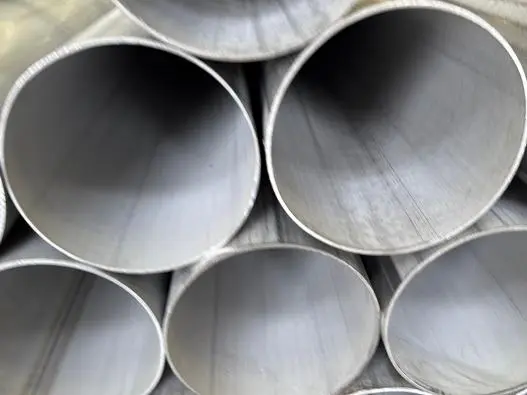

Understanding ASTM A789 GR S32205 Stainless Steel Tube
Duplex stainless steels are a new development in metal design because they balance the austenitic and ferritic parts within a single material structure. This two-phase mix gives GR S32205 tubes properties that neither austenitic nor ferritic grades can match on their own.
What Makes S32205 a Duplex Standard?
ASTM A789 S32205 tube is a standard type of duplex stainless steel tubing made for uses that need both strength and resistance to corrosion. The name "duplex" comes from the fact that it has about equal amounts of austenite and ferrite phases in its microstructure. This balance comes from carefully mixing chromium (22-23%), molybdenum (3.0-3.5%), and nitrogen. This makes a material that is much better at resisting chloride stress corrosion cracking than standard austenitic types like 304 or 316L.
Chemical Composition and Mechanical Properties
The chemicals that make up S32205 have a direct effect on how well it works in tough settings. The metal has a pitting resistance equivalent number (PREN) of about 35, which is a lot higher than regular stainless steels because it has more than 22% chromium and more than 3% molybdenum. This means that it will be more resistant to pitting and crevice corrosion in chloride environments. The material's tensile strength is between 620 and 880 MPa, which is almost twice as high as austenitic grades. It is also flexible enough to be easily shaped and installed.
Heat Treatment and Standard Specifications
The right heat treatment is still needed to get the most out of duplex steel. Solution annealing usually takes place between 1020°C and 1100°C, and then the material is cooled quickly to keep the balanced microstructure. Standard tube sizes are based on ASTM standards, with outside widths ranging from 6mm to 200mm and wall thicknesses that are suitable for use under pressure. Tolerance standards make sure that measurements stay the same, which is very important for installing heat exchangers and pipe systems.
Because of these technical features, the material is especially useful in fields that need reliable performance under stress. Tubes that can withstand both mechanical loads and environmental degradation are useful for chemical processing plants, oil and gas subsea systems, and marine infrastructure projects.
Why ASTM A789 GR S32205 is Ideal for Desalination
The working conditions for metals in desalination plants are some of the toughest in the world. When regular stainless steels are exposed to warm, aerated seawater with 30,000 to 40,000 ppm chlorides on a regular basis, they quickly fail due to localized rust.
Superior Chloride Resistance in Marine Environments
GR S32205 has a lot of chromium and molybdenum, which together make a solid passive film that doesn't break down in chloride-rich liquids. In contrast to 316L, which pits at high temperatures in seawater, duplex 2205 stays solid even when working at temperatures close to 60°C. This resistance goes all the way to the heat-affected areas near welds, which is an important benefit for manufactured tube systems and heat exchangers.
Preventing Stress Corrosion Cracking
Stress corrosion cracking is a sneaky way for desalination systems to fail. It happens when leftover stresses from construction meet chloride exposure to cause quick, unpredictable failures. Because S32205 has a split lattice, it naturally resists this effect. Field data from reverse osmosis plants using duplex tube shows that it can last more than 20 years without breaking. In contrast, austenitic systems have been known to fail within 5 to 7 years in similar situations.
Real-World Performance Data
In 2008, ASTM A789 GR S32205 stainless steel tube was used instead of 316L tubing in a filtration plant in the Middle East. Inspection data from 2023 reportedly showed very little corrosion, with wall-thickness loss of less than 0.1 mm, remaining within the acceptable range for continued operation. The maintenance records also indicated that tube replacement costs were 68% lower and unexpected downtime was 42% lower than they had been ten years earlier. In thermal desalination plants, where materials face more severe conditions involving elevated temperatures, chlorides, and sulfates in multi-stage flash evaporators, ASTM A789 GR S32205 stainless steel tube can provide a suitable option when its corrosion resistance and mechanical properties match the operating requirements. The long-term performance of ASTM A789 GR S32205 stainless steel tube can help support reliable operation and reduce maintenance demands in demanding water-treatment applications. Proper material selection and regular inspection remain important for maximizing the service life of ASTM A789 GR S32205 stainless steel tube.
These improvements in performance directly lead to improvements in operations. Lower maintenance intervals make plants more available, and longer material lifespans make projects more cost-effective by delaying the need to replace capital. The reliability factor is especially useful for sites that are far away and hard to get to for upkeep.
Comparing ASTM A789 GR S32205 with Other Stainless Steel Tubes
To choose the right material, you need to know how the different types of stainless steel compare in terms of performance, availability, and cost. There are many types of corrosion-resistant tubing, but not all of them are good for desalination applications.
S32205 vs S31803: Understanding the Difference
S32205 performs better than S31803 and has tighter makeup limits. Even though both names are in the duplex 2205 family, S32205 is a better form that has better control over the nitrogen and carbon amounts. This improvement makes it easier to weld and makes sure that the corrosion protection is the same across production runs. When purchasing duplex tube for important uses, procurement workers should make sure to ask for S32205 to ensure the best qualities.
Performance Comparison with 304 and 316L Grades
Austenitic types 304 and 316L work well in many industrial settings, but they aren't resistant to chloride, which is needed for use in salt water. Even in brackish water, Type 304 quickly pits, while Type 316L has better resistance but still fails too soon in warm seawater applications. The molybdenum level in 316L is still too low (2–3%) for effective desalination service. S32205's molybdenum level of 3.0% to 3.5% offers the necessary protection. Mechanically, duplex grades have about twice the yield strength, which means they can have thinner walls for the same pressure ratings. This is an advantage in design that can help make up for higher material costs by lowering the weight and volume of the material.
ASTM A789 vs A790 and A269 Standards
ASTM A789 covers duplex stainless steel tube for general duty at high temperatures and without corrosion, which makes it perfect for heat exchangers and process systems. ASTM A790 UNS S32205 steel pipe, on the other hand, is for pressure vessels, pipelines, and structural systems. It includes both seamless and welded ferritic/austenitic pipe. The difference is important for buying things: tubes are used to move heat around and have smaller diameters, while pipes are used to move fluids and have bigger diameters. ASTM A269 covers austenitic tubing for general corrosive service, but not duplex grades. This means that it is not very useful for choosing materials for desalination.
Cost-Benefit Analysis for Desalination Applications
The material cost of ASTM A789 GR S32205 stainless steel tube is usually 40–60% higher than that of 316L tubing on a per-kilogram basis. However, lifecycle analysis can present a different picture. The longer service life of ASTM A789 GR S32205 stainless steel tube, often estimated at two to three times that of conventional alternatives in suitable environments, combined with less frequent maintenance and the potential for thinner wall designs, can reduce the total cost of ownership. Installation labor costs are generally similar regardless of the selected material, allowing the initial material premium to be distributed across a longer operating period. For desalination projects designed for 25–30 years of service, selecting ASTM A789 GR S32205 stainless steel tube from the beginning may offer better long-term value than replacing austenitic tubing during the middle of the project lifecycle. With appropriate engineering and service-condition evaluation, ASTM A789 GR S32205 stainless steel tube can provide a durable and cost-effective option for demanding applications.
Procuring ASTM A789 GR S32205 Stainless Steel Tubes: What B2B Buyers Need to Know
To successfully buy specialized stainless steel tubing, you need to know how the market works, how to check the quality of the tubing, and how to handle logistics that affect project costs and timelines.
Market Availability and Pricing Factors
The world's ability to make duplex tubing is mainly concentrated in a few key areas. Lead times vary depending on the complexity of the specifications and the size of the order. Standard sizes on popular schedules usually ship in 6 to 8 weeks, but it could take up to 12 to 14 weeks for unique sizes or special testing needs. Prices depend on a number of factors, including the cost of nickel and molybdenum, the amount that is produced, the standards for mill certification, and the demand from other businesses at the moment. Volume savings of 8–12% are common for orders over 20 tons, which makes consolidated buying a good choice for big projects.
Essential Certifications and Documentation
Material certification is an important part of managing risk when buying tubes. At the very least, sellers should give mill test certificates (MTCs) that meet EN 10204 3.1 standards and list the chemical makeup and mechanical property test results for each batch of product. A lot of the time, desalination uses need extra paperwork. This includes positive material identification (PMI) reports that confirm the alloy's makeup, hydrostatic test certificates that confirm its stability under pressure, and dimensional inspection reports that show it meets certain limits. When the needs of the project call for extra quality assurance, third-party inspection services like SGS or Bureau Veritas can provide independent verification.
Supplier Evaluation Best Practices
The first step in screening possible suppliers is to make sure they can meet the needs of the project by making the goods in question. Some standards that are important are ISO 9001 certification for quality management, compliance with the pressure equipment directive (PED) for European projects, and, if needed, ASME approval. Production capacity is important, and providers should show that they can meet shipping deadlines without going over time, which could hurt quality. References from related projects can tell you a lot about how well you did in terms of meeting deadlines, writing accurate documentation, and answering expert questions.
Logistics and Delivery Planning
When sending stainless steel tubes across international borders, it needs to be carefully packaged to keep it from getting damaged during transport and handling. Most of the time, tubes are shipped grouped and in boxes, with plastic end caps on threaded links to protect them. Optimizing containers affects freight costs. Standard 20-foot containers can hold between 20 and 25 tons, depending on the tube's dimensions. The choice of Incoterms affects who is responsible for insurance and customs clearing. CIF terms (cost, insurance, freight) make operations easier for buyers, while FOB terms (free on board) give them more control over shipping plans. Delays at ports and in customs processing can change delivery times, so it's smart to build in extra time for these things when making a project schedule.
These buying factors have a direct effect on the success of the project. Schedule delays happen when wait times aren't thought through properly, and there's a chance of getting nonconforming material that breaks down too soon in service when quality checks aren't done well enough. A solid stock of materials is built on thorough planning and working together with suppliers.
How to Choose the Right ASTM A789 GR S32205 Stainless Steel Tube Supplier
One of the most important decisions in the procurement process is choosing the supplier. Not only does it affect the initial cost of materials, but it also affects the quality, reliability, and support of the project in the long run.
Critical Supplier Qualifications
Strategic partners are different from basic sellers because they understand manufacturing requirements and material performance. When sourcing ASTM A789 GR S32205 stainless steel tube, look for factories that have dedicated production lines for duplex stainless steel rather than suppliers that process it only occasionally. Modern manufacturing equipment, such as bright annealing furnaces, ultrasonic testing systems, and automated dimensional inspection equipment, demonstrates a strong commitment to product quality. Experienced technical staff with mechanical and materials knowledge can provide more than order fulfillment; they can also offer application guidance for ASTM A789 GR S32205 stainless steel tube and help customers select suitable materials for different operating conditions. Working with a capable manufacturer of ASTM A789 GR S32205 stainless steel tube can improve consistency, quality control, and technical support throughout the procurement process. A knowledgeable supplier can also help ensure that ASTM A789 GR S32205 stainless steel tube is properly matched to the project's pressure, temperature, and corrosion requirements.
Quality Control Systems
Material defects can be very expensive to fix, but strong quality assurance processes can keep that from happening. Before production starts, the composition of raw materials is checked by a thorough review of all arriving materials. In-process controls keep an eye on important factors that affect the microstructure, such as the melting temperature curves and cooling rates. Final inspection procedures should include a direct review of the whole thing, checking the sizes of statistical samples, and mechanical and chemical tests that follow the rules. Documentation systems that keep full traceability from the heat numbers of the raw materials to the lot numbers of the finished products make it possible to look into problems quickly if they happen in the field.
Geographic and Logistical Advantages
Both wait times and total landing costs are affected by where the supplier is located. Being close to major shipping ports lowers the cost of interior freight and makes the export process easier. When reviewing quotes from sellers in different countries, it's important to keep in mind that some areas have trade agreements that lower or get rid of import duties. Aligning time zones makes it easier to talk to each other, and being able to speak different languages makes expert conversations and document reviews go more smoothly. All of these things affect how much the whole process costs and how easy it is to work with the seller.
Why YOUFA Stands Out as Your Reliable Partner
If you need to make duplex stainless steel tubes for tough jobs like filtration systems, YOUFASS Stainless Steel Pipe Co., Ltd. is the company for you. We have 15 dedicated production lines and modern production buildings that allow us to make 50,000 tons of steel every year. This means that we can reliably serve projects of any size. Focusing on the customer, letting everyone participate, keeping an eye on the process, and always trying to get better are the main ideas behind our quality management system. These ideas lead to consistent product performance.
Controlling the raw materials is the basis of our quality approach. Steel comes from known sources, and management can be tracked to make sure that the composition stays the same. During production, specialized testing equipment checks the chemical and mechanical properties, and thorough inspection procedures find any problems before they are shipped. This methodical technique gives purification projects the dependability they need.
In addition to being able to manufacture things, we also offer quick technical help and project coordination, which makes it easier for foreign buyers to buy things. Our years of experience working with building services and industrial fluids have given us a deep understanding of what specifications need to be met and how well they should be performed. Working together with many partners over a long period of time shows that we care about our customers' growth beyond just one purchase.
Conclusion
Desalination infrastructure is a big investment in water security, so choosing the right materials is very important for its long-term success. ASTM A789 GR S32205-compliant duplex stainless steel tube has the corrosion protection, mechanical strength, and long service life that chloride-rich conditions need. The original cost of materials is higher than with standard austenitic grades, but the total cost of ownership benefits from longer service life, less upkeep, and better reliability, making duplex tubing the most cost-effective choice for desalination uses. To do successful procurement, you need to work with providers who have the manufacturing know-how, strict quality control, and quick customer service to deliver goods that do what they're supposed to do for the whole time they're designed to last.
FAQ
What is the difference between S32205 and standard 2205?
The chemical makeup of S32205 is better than 2205 because it has stricter controls for nitrogen and carbon content. This improvement makes it easier to weld and makes the corrosion protection more uniform across production runs. This makes S32205 the best standard for important uses.
Can these tubes withstand high-pressure desalination systems?
Duplex stainless steel is strong mechanically—its tensile strength is almost twice that of austenitic grades. This makes it perfect for high-pressure uses, like reverse osmosis systems that work at 60 to 80 bar. Compared to 316L, the higher yield strength lets the walls be smaller while still holding the same amount of pressure.
What certifications should I verify when purchasing?
Mill test certificates (EN 10204 3.1), positive material identification reports proving metal makeup, hydrostatic test certificates for pressure stability, and dimensional inspection reports are some of the most important pieces of paperwork that you need. For projects with strict standards, third-party inspection proof from companies like SGS or Bureau Veritas may also be needed.
Partner with YOUFA for Premium ASTM A789 GR S32205 Stainless Steel Tube Supply
If you choose the right ASTM A789 GR S32205 Stainless steel tube provider, you can be sure that the materials you get for your desalination project will work well for a long time. YOUFA can help you with your procurement needs by combining advanced manufacturing with strict quality control and quick customer service. Our scientific team knows how to meet the strict needs of seawater service and can answer any questions you have about material standards and how to use them. Our production capacity and efficient operations make sure that your order arrives on time, no matter if you need standard sizes or specific instructions. This will help you keep your project on track. Get in touch with us at info@youfass.com to talk about your needs, get detailed specifications, or get competitive prices on your next desalination project. You can look at all of our stainless steel pipe solutions at youfass.com.
Online Message