
Sep 3, 2026
ASTM A789 Duplex Steel 2205 Tubing Improves Heat Exchanger Durability
When industries demand materials that can withstand aggressive corrosive environments while delivering mechanical strength, ASTM A789 Duplex steel 2205 tubing emerges as the optimal solution. This advanced alloy combines the best attributes of austenitic and ferritic stainless steels, providing heat exchangers with exceptional durability that translates directly into reduced maintenance costs and extended operational life. Unlike traditional materials, duplex 2205 tubing offers nearly twice the yield strength of standard 316L stainless steel, enabling thinner wall designs that enhance heat transfer efficiency without compromising structural integrity in demanding industrial applications.
|
|
|
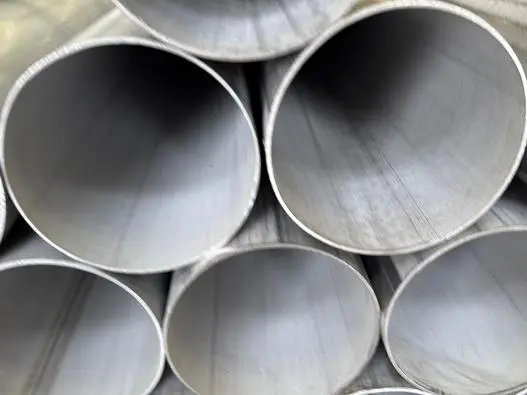
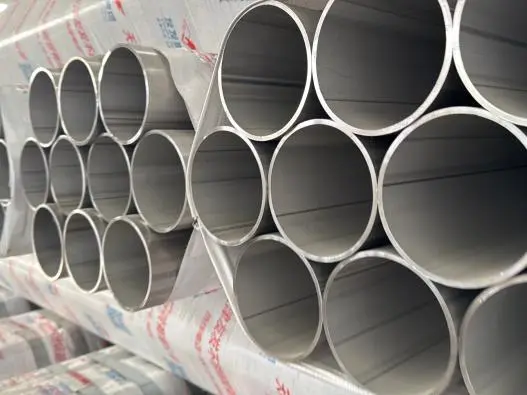
Understanding ASTM A789 Duplex Steel 2205 Tubing
What Defines the Duplex 2205 Microstructure
Duplex 2205 stainless steel tubing is one of a kind because it has a balanced dual-phase composition, which means that it has about 50% austenite and 50% ferrite. Each step works better because this special metal structure makes up for the flaws in the others. The austenitic phase makes the metal tough and simple to weld. The ferritic phase, on the other hand, makes it strong and not easily cracked by salt stress and rust. All of these things make the material great for heat exchanges that work in chloride-filled places like desalination plants, industrial plants, and remote platforms.
Chemical Composition and Mechanical Properties
Chrome makes up about 22% of the metal, nickel makes up 5% to 6%, molybdenum makes up 3%, and nitrogen makes up between 0.14 and 0.20%. It is very important to have nitrogen in order to keep the austenitic phase steady and increase the resistance to cracking. Pitting Resistance Equivalent Number (PREN) of the steel is ≥34 when all of these parts are added together. This is a lot higher than regular 316L stainless steel. The minimum tensile strength of duplex 2205 tube is 655 MPa (95 ksi), and the minimum yield strength is 450 MPa (65 ksi). This means it can handle the high temperatures that heat exchangers often have to deal with.
Manufacturing Standards and Quality Assurance
These rules, ASTM A789, make it very hard to make tubes out of duplex stainless steel. During production, it's important to keep an eye on heat treatment methods, especially solution annealing at temperatures between 1040°C and 1100°C followed by quick cooling. Heating the metal in this way evens out the phases and gets rid of any intermetallic phases that aren't good and could make it less resistant to rust. In mill test reports, the chemical make-up, mechanical properties, and size ranges are all checked. These reports show people who are buying that the materials meet the needs and work well.
Why ASTM A789 Duplex Steel 2205 Tubing Enhances Heat Exchanger Durability
Addressing Common Heat Exchanger Challenges
There are always challenges in heat-transfer systems that can cause equipment to degrade faster and shorten its service life. Over the operating life of the equipment, maintenance costs can increase because of corrosive process fluids, thermal cycling stresses, and chloride-induced pitting. In these demanding conditions, ASTM A789 Duplex steel 2205 tubing can provide a strong combination of corrosion resistance and mechanical strength compared with standard austenitic stainless steels. The use of ASTM A789 Duplex steel 2205 tubing can help reduce the risk of premature corrosion when equipment is exposed to elevated temperatures and chloride-containing environments. By selecting ASTM A789 Duplex steel 2205 tubing for suitable heat-transfer applications, engineers can help reduce unplanned downtime, emergency repairs, and production losses. Properly specified ASTM A789 Duplex steel 2205 tubing can therefore contribute to more reliable equipment operation and improved long-term maintenance performance.
This is directly dealt with by duplex 2205 tubing, which is better at preventing many types of rust. Because it has a lot of chromium and molybdenum, it forms a strong film that doesn't break down even when exposed to harsh chemicals. It is very resistant to stress corrosion cracking (SCC), a type of failure that usually happens in systems with salt and makes austenitic metals weaker. This is because the microstructure is well-balanced. It is very helpful to have these safety features in places that work with acidic, brackish, or salty water.
Real-World Performance Improvements
Shell-and-tube heat exchangers last longer when they switch from 316L tubing to duplex 2205 tubing. The extra five years of use is an improvement. The material is better because it can keep its shape when temperatures change quickly and stop the limited rusting that usually starts at the joints where tubes and sheets meet. Good that the better wear resistance works well in places where temperature or pressure changes a lot, like in systems for making steam and batch processing.
Quantifiable Operational Benefits
The benefits of long-lasting duplex 2205 tubing translate into real money savings over the heat exchanger's whole life. Repairs that happen less often save money on labor and keep work from stopping as little as possible. Capital costs for backup tools and spare parts go down when replacement times are longer. This material is better at moving heat than austenitic grades because it has a higher thermal conductivity. This could mean that processes that need to keep a certain temperature use less energy. All of these reasons make duplex 2205 a good choice for companies that care more about how much it costs to own than how much the materials cost.
Comparing ASTM A789 Duplex Steel 2205 Tubing with Other Materials
Duplex 2205 Versus 316/316L Stainless Steel
There are big differences between duplex 2205 and standard 316L stainless steel when it comes to how they work in heat exchangers. Duplex 2205 has about twice as much yield strength as regular steel. This means that walls can be made thinner to save weight while keeping the same pressure ratings. You can save a lot of money on projects by using this strength edge when working with large-diameter tubes. Critical pitting temperatures (CPT) for duplex 2205 are usually 20–30°C higher than those for 316L in the same chloride conditions. This means that it is much better at protecting against corrosion.
Duplex alloys, on the other hand, have less nickel in them, so they are not as affected by changes in the price of nickel as austenitic types are. Since the make-up changes, prices for twin materials tend to stay the same. Because it's stronger, pressure vessel makers can make equipment with smaller footprints. This reduces the space needed for installation and the cost of the structure that holds it up.
Super Duplex Grades Comparison
When the PREN number is above 40, super duplex metals like 2507 and 2207 can provide even greater resistance to localized corrosion than regular duplex 2205. ASTM A789 Duplex steel 2205 tubing remains a practical and cost-effective option for many industrial applications where corrosion resistance and mechanical strength are important. These higher-alloy grades perform particularly well in severe conditions involving high chloride concentrations, elevated temperatures, or acidic environments, but they generally involve higher material costs and more demanding welding procedures. For many standard heat exchanger applications, ASTM A789 Duplex steel 2205 tubing offers a balanced combination of corrosion resistance, strength, and affordability. Engineers should select ASTM A789 Duplex steel 2205 tubing or a super duplex grade according to the actual operating environment, including temperature, chloride concentration, pressure, and chemical exposure. When service conditions do not require the additional performance of super duplex alloys, ASTM A789 Duplex steel 2205 tubing can provide an economical solution without unnecessary material over-specification.
Carbon Steel and Alternative Alloys
Carbon steel tubing like ASTM A106 doesn't protect against rust as well as Duplex 2205 does. This means that there is no need for protective coverings or limits on corrosion. It may be cheaper to buy carbon steel at first, but it usually ends up costing more because it needs to be replaced more often and is harder to keep up. The final choice of material is based on how it will be used. If corrosion is a big problem in real life, duplex 2205 is a good, cheap choice.
Procurement Guide for ASTM A789 Duplex Steel 2205 Tubing
Critical Specifications and Certifications
A lot of technical things need to be looked at by sourcing workers when they buy duplex 2205 tubing for heat exchanger projects. Size requirements, like outside width, wall thickness, and length, must match the needs of the heat exchanger design and still meet ASTM A1016 rules for accuracy. The material certificates should show that they meet the chemical make-up standards of ASTM A789, especially the nitrogen content. The nitrogen content has a big impact on how well the stages balance and how resistant the material is to rust.
To make sure the paperwork is correct, mill test reports (MTRs) must be related to heat numbers and output records. It's more trustworthy if the product comes with a third-party inspection certificate from an accepted testing laboratory. This shows that the mechanical qualities, resistance to corrosion, and size accuracy have been checked by a third party. In order to get ISO 9001 certification, a company must manage quality in a planned way during the whole production process.
Evaluating Supplier Capabilities
Because they know a lot about technology, trustworthy makers can help customers pick the right materials for their needs. Suppliers should be able to help you choose the right tube size, grade, and cooking conditions for your heat exchanger. The ability to make things is another important thing to think about. When a supplier makes more than 10,000 tons of steel tubing a year, they usually keep a steady stock and can handle bigger projects without having to wait longer for lead times.
It is important for places that make things to have special tools for testing the quality of their products. These tools include ASTM E562 for nanoscale analysis, ASTM G48 for rust testing, and non-destructive testing. They can be sure that the tubing is solid and won't leak if they offer 100% eddy current or hydraulic testing.
Inventory, Lead Times, and Custom Orders
It's usually faster to get standard sizes of duplex 2205 tubes than special sizes, and most of the time, standard sizes can be sent right away. If you need something in a size or length that isn't common or under certain heat treatment conditions, it may take a few extra weeks to get it. Putting realistic wait times in project plans keeps work from getting behind schedule and makes sure that the supply of materials meets the goals for installation.
Suppliers with flexible minimum order amounts can help you make prototypes and work on small projects without making you buy a lot of stock. Yet, volume price systems are better for big projects because the price per unit drops a lot as the order size grows.
Best Practices for Using ASTM A789 Duplex Steel 2205 Tubing in Heat Exchangers
Welding and Fabrication Guidelines
To produce reliable ASTM A789 Duplex steel 2205 tubing assemblies, careful attention must be paid to welding parameters that maintain the desired duplex microstructure. Controlled heat input helps prevent excessive ferrite formation in the heat-affected zone (HAZ), which could reduce corrosion resistance. During GTAW, properly matched filler metals help maintain the intended phase balance and mechanical properties throughout the welded joints. For applications involving ASTM A789 Duplex steel 2205 tubing, interpass temperatures should generally be controlled according to the applicable welding procedure, with a common guideline of keeping them below 150°C to minimize undesirable phase changes during multiple passes. Proper welding control is essential for maintaining the performance and long-term reliability of ASTM A789 Duplex steel 2205 tubing. When correctly welded and inspected, ASTM A789 Duplex steel 2205 tubing can provide consistent mechanical strength and corrosion resistance in demanding industrial systems.
A post-weld heat treatment can bring back the HAZ's proper phase balance and protect it from rust, but it's not always necessary. If any intermetallic stages made during welding were to be broken up, they can be done by solution annealing at 1040–1100°C and then quickly cooling in water. For heat exchangers that work in places that are very acidic and need to be as rust-proof as possible, this method is very important.
Storage, Handling, and Installation
When materials are handled correctly, the tubing's structure is kept until it is put in place. Tiny pieces of carbon steel that could cause corrosion in one area should not get into tubes while they are being stored. Because they are kept in different places and worked on with different tools, material types don't mix. End caps that protect keep the inside clean and avoid damage while things are being moved or kept.
If you stay away from carbon steel tools and work areas during installation, the passive film won't get iron on it. Nitric acid solutions used in passivation processes can fix surface oxide layers that get damaged while they are being made or installed. It's important to use expansion or welding techniques that make leak-tight seals without leaving behind stresses that could cause stress corrosion cracks when tubes or sheets are joined together.
Maintenance and Inspection Protocols
When heat exchangers are inspected regularly, they show early signs of wear and tear before they break. This makes them last longer. Visual checks reveal surface rust, growth of deposits, or broken parts that need to be fixed. Eddy current testing finds problems below the surface that can't be seen and determines how thick a wall is without hurting it. After analyzing the structure over time, it is clear that the balance of the phases stays within acceptable limits and that no dangerous intermetallic phases have formed while the system is being used.
Part of preventive maintenance is cleaning with chemicals. It gets rid of layers that rust in one place or stop heat from moving. As you clean, don't use acids or chloride-based compounds in large enough amounts or at high enough temperatures to hurt the passive film. Following the maker's instructions for the cleaning agent and method keeps the material pure and makes heat transfer better.
Conclusion
Duplex 2205 stainless steel tubing that meets ASTM A789 standards has been shown to improve heat exchanger performance across a range of industrial applications. With its balanced austenitic and ferritic microstructure, ASTM A789 Duplex steel 2205 tubing provides a strong combination of corrosion resistance and mechanical strength. In addition, ASTM A789 Duplex steel 2205 tubing can offer lifecycle cost advantages because its durability may reduce maintenance frequency and replacement requirements. This advanced alloy can help heat-transfer systems operate reliably under demanding conditions that could accelerate the degradation of less suitable materials. With proper design, fabrication, installation, and maintenance, ASTM A789 Duplex steel 2205 tubing can provide dependable long-term performance. For procurement teams focused on durability, reliability, and total cost of ownership, ASTM A789 Duplex steel 2205 tubing is a practical material option for demanding heat exchanger systems.
FAQ
Why choose duplex 2205 over 316L for heat exchanger applications?
Duplex 2205 stainless steel is much less likely to crack because of stress-induced rust than 316L stainless steel. It has almost twice the yield strength. This means that thinner walls can be used, which makes it easier for heat to move while also making the material lighter and cheaper. The resistance of Duplex 2205 to chlorides is higher than that of 316L. This makes it useful in places where 316L fails quickly due to pitting and crevice corrosion, such as evaporation plants, chemical processing plants, and saltwater cooling systems.
What is the maximum operating temperature for duplex 2205 tubing?
It's best for duplex 2205 tubes to be cooler than 315°C (600°F). When something is around 475°C for a long time, alpha-prime phase precipitation makes it weaker. This makes it less tough and less resistant to rust. To use above these temperature ranges, you should look at austenitic types, which are better for high-temperature use. But the duplex 2205 temperature range is where most industrial heat exchangers will be used.
How do S31803 and S32205 designations differ?
S32205 is a version of S31803 that has fewer parts. It has more chromium, molybdenum, and nitrogen than other materials. The rust resistance is much better now that the chemistry rules are tighter, especially when chloride conditions are very acidic. A lot of the new split 2205 tubing is approved for both codes, which makes sure that it meets the tougher S32205 standards. When the best rust protection is needed for long service life in difficult conditions, S32205 should be included in the list of specifications for purchases.
Partner with YOUFA for Reliable Duplex Steel Tubing Supply
It is possible to get high-quality ASTM A789 Duplex steel 2205 tubing and a lot of scientific information from Youfa Stainless Steel Pipe Co., Ltd. They can help you with your heat exchanger projects. There are 15 production lines in our factory, and they can make 50,000 tons of goods every year. We always have stock on hand, and our lead times are competitive because of this. During the whole process of making something, from checking the raw materials to making sure the final measurements are right, we have strict quality control. We give you all the certification paperwork and full material tracking that you need to meet foreign standards.
No matter if you work for a chemical plant, a power plant, or an offshore platform provider, our team can give you options that are made to fit your needs. People who work in buying, engineering, or project management and need a trusted ASTM A789 Duplex steel 2205 tubing provider who can make the tubing and get it to them quickly are welcome to ask us questions. Send our team an email at info@youfass.com to talk about your project, get thorough data sheets, or get quotes from other businesses. Check out our full line of products at youfass.com and learn how YOUFA can help you reach your goals for heat exchanger reliability through reliable materials and a strong relationship.
Online Message