
Jul 9, 2026
ASTM A312 304 Stainless Steel Pipes: Key Specifications and Applications
ASTM A312 304 Stainless Steel Pipes are always the first choice for engineers and procurement specialists looking for industrial plumbing for mission-critical infrastructure. These austenitic chromium-nickel alloy pipes are very good at resisting rust, keeping their shape, and working reliably in harsh conditions. The ASTM A312/A312M-22 standard says that these pipes must meet strict standards for both seamless and welded designs that are used in food-grade, power generation, chemical processing, and oil refining. The 304 grade has 18–20% chromium and 8–12% nickel, which makes it a flexible metal that strikes a good mix between low cost and long-term durability. This complete guide looks at technical specs, size and shape factors, benefits for specific uses, and buying strategies to help you make smart buying choices.
|
|
|
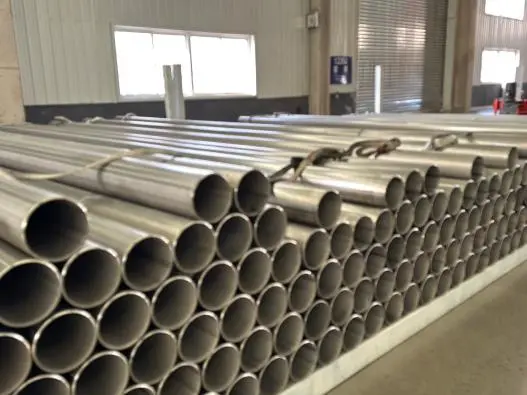
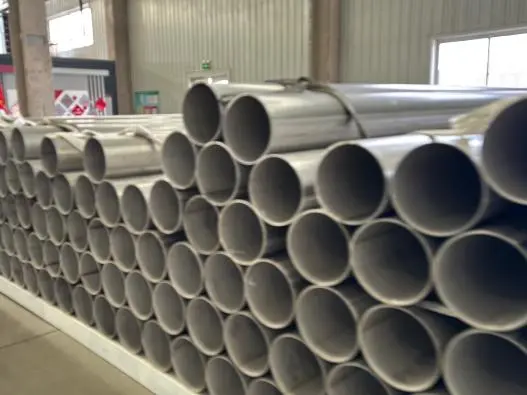
Understanding ASTM A312 304 Stainless Steel Pipes
The ASTM A312 standard sets out all the rules for seamless, straight-seam welded, and highly cold-worked welded austenitic stainless steel pipe that is meant to be used in high-temperature and generally corrosive environments. This standard makes sure that the quality is always the same by controlling the chemicals that are used, setting limits for mechanical properties, and using strict testing methods that get rid of differences between production runs.
Chemical Composition and Metallurgical Foundation
To keep its corrosion-resistant and functional qualities, Grade TP304 keeps the exact balance of its elements. Chromium (18.0–20.0%), nickel (8.0–12.0%), manganese (up to 2.0%), carbon (up to 0.08%), phosphorus (up to 0.045%), and sulfur (up to 0.030%) make up the composition. This austenitic microstructure stays steady over a wide range of temperatures and stops being magnetic when it is heated. The chromium creates an inactive oxide layer that fixes itself when it comes in contact with oxygen. This layer protects against oxidation and chemical attack all the time. For uses that need better resistance to sensitization during welding, the TP304L version limits the amount of carbon to a maximum of 0.030 percent. This keeps chromium carbide from forming at the edges of the grains as little as possible.
Mechanical Properties and Performance Thresholds
Manufacturing Processes and Quality Assurance
There are three main ways to make ASTM A312 pipes, and each one is best for a different set of sizes and application needs. When pipes are made by hot extrusion or rotating piercing, they don't have any lengthwise weld lines. This means that the walls are all the same width and the pipes can handle more pressure. For bigger diameter uses, welded pipes made from formed strip are cheaper and still have the same level of corrosion protection after the right heat treatment. Pipes that have been heavily cold-worked go through more distortion processes to make them stronger. All production steps include thorough testing, such as hydraulic pressure testing, ultrasonic examination, radiographic inspection, and measurement verification, to make sure the product meets all the requirements before it is shipped.
Dimensions, Sizes, and Physical Specifications
To choose the right pipe measurements for ASTM A312 304 Stainless Steel Pipes, you need to know about the standard size rules and tolerance specs that control the accuracy of the dimensions and the compatibility of the system.
Nominal Pipe Sizes and Schedule Designations
There are standard pipe sizes for ASTM A312 lines that range from NPS 1/8" to NPS 48" (DN6 to DN1200), which are the same as 10.3 mm to 1219 mm in outside diameter. Wall thickness is defined and is given a number from 5S to XXS. Each number in the schedule corresponds to a different wall thickness value compared to the pipe width. Schedule 10S has a thin, light structure that works well for low-pressure uses. Schedule 40S and 80S, on the other hand, have standard medium-wall structures that are good for general industrial use. Schedule XXS gives you the thickest walls possible for harsh working situations and high pressure. To find out the exact size requirements for each NPS and plan combo, engineers should look at the ASME B36.19M tables.
Tolerance Standards and Dimensional Accuracy
Distinguishing Pipes from Tubes
Pipes and tubes are both part of ASTM A312, but they are used for different technical tasks because of how they are measured. Pipes use nominal sizes that refer to the estimated bore diameter, and plan numbers that are the same across diameter ranges specify the wall thickness. The outside width of tubes is measured exactly, and the wall thickness is given in decimal numbers. This gives accurate specifications for heat exchanger bundles and instrumentation uses. When choosing new materials, this difference is very important because the wrong product classification can cause size mismatches and link failures.
Applications and Advantages of ASTM A312 304 Stainless Steel Pipes
TP304 pipes are the best choice for many industries that need rust protection, hygiene, and long-lasting performance because they are reliable and can be used in a lot of different ways.
Industry-Specific Application Domains
TP304 pipes are used in new energy infrastructure for things like making hydrogen, fuel cells, and electrical processing areas where the material needs to be able to handle harsh media. Power battery makers use these pipes in cooling circuits and liquid handling systems that need surfaces that don't get dirty and work well even when the temperature changes. TP304 is used in chemical processing plants to move organic solvents, pharmaceutical intermediates, and food-grade goods where the clarity and cleanliness of the material meet government standards. These pipes are used by petrochemical companies for process lines that contain weak acids, caustic solutions, and water systems that work at normal temperatures. Electropolished TP304 surfaces are important for food and drink machines because they keep bacteria from sticking and make cleaning easier.
Performance Benefits and Economic Value
ASTM A312 304 Stainless Steel Pipes: The austenitic chromium-nickel mix has many performance benefits, including lower lifetime costs and higher operating reliability. Corrosion resistance gets rid of worries about product leakage and increases service life in places where carbon steel options break down quickly. The non-magnetic properties are helpful in making medical devices and computer parts, where magnetic interference can make processes less precise. It is easy to shape and weld, so it can be used to make complicated pipe designs quickly and easily, usually without the need for a post-weld heat treatment. Cryogenic toughness keeps flexibility at temperatures of liquid nitrogen, which helps with uses in handling LNG and making industrial gas. These features work together to lower the total cost of ownership by reducing the number of repair intervals, unexpected downtimes, and replacement cycles.
Maintenance Requirements and Durability
When properly installed, TP304 pipe systems can last for decades with little upkeep other than regular checks. The inactive chromium oxide layer fixes itself when it gets scratched or worn down, so it keeps protecting against rust for the whole service life. Standard cleansers and sanitizers can be used in cleaning methods without worrying about damaging the surface. When layers or scaling show up, using the right restricted acids to clean the surface brings it back to its original state without losing any base metal. These low-maintenance features lower running costs and increase system uptime compared to coated or lined options that need to be inspected and fixed up on a regular basis.
Comparison and Selection Guide: ASTM A312 304 vs Alternatives
To choose the best material for a project, you have to weigh the pros and cons of different types based on the project's needs, the budget, and the expected long-term performance.
TP304 versus TP316 Performance Differentiation
While both types of ASTM A312 304 Stainless Steel Pipes have similar mechanical and fabrication qualities, TP316 has an extra 2% to 3% molybdenum that makes it much more resistant to pitting and crevice rust in chloride-containing situations. The higher cost of TP316 is worth it for coastal sites, marine uses, and chemical processes that use halogenated compounds. TP304 works just as well in freshwater systems, atmospheric exposure, and organic chemical service, but it costs less, so it's the best choice for uses that won't be exposed to strong chlorine. TP316L may help projects that need to be welded together in parts with stronger walls by lowering the risk of sensitization during multiple passes of the welder.
TP304 versus TP304L Weldability Considerations
The low-carbon TP304L version is just as resistant to rust as regular TP304, but it is also better at protecting against intergranular attack after welding heat cycles. Standard TP304 with a maximum carbon content of 0.08% can form chromium carbide precipitation in the heat-affected zone between 425 and 870°C, which makes that area more likely to rust. TP304L limits the amount of carbon to a maximum of 0.030 percent. This prevents carbides from forming and stops sensitization issues without the need for a post-weld heat treatment. This benefit is useful for soldered parts that are put in acidic media right after they are made. However, TP304 has slightly higher strength and better high-temperature creep resistance, which makes it better for uses that need to hold high temperatures and pressures.
Alternative Material Cost-Benefit Analysis
ASTM A312 304 Stainless Steel Pipes to Carbon steel pipes are cheaper at first, but they need to be protected with coats and cathodic protection systems, and need to be replaced often in places where they are used. Total lifecycle costs, which include installation work, system downtime, and disposal costs, usually show that stainless steel is a better choice for uses that will be used for 10 years or more. Duplex stainless types are stronger and less likely to react with chlorides than TP304, but they are much more expensive and need special welding techniques. For most general industry uses that don't need to withstand high levels of corrosion or pressure, TP304 is the best choice because it offers the best mix between performance and material cost.
Procurement Guide and Supplier Insights
To buy industrial piping materials successfully, you need to find qualified makers, check compliance documents, and build a supply chain with reliable partners that can meet project deadlines and quality standards.
Supplier Qualification and Certification Verification
Reputable pipe makers have full quality management systems that are approved to ISO 9001 standards. This shows that they are committed to controlling processes consistently and making improvements all the time. On European markets, pressure-bearing parts often need to be certified under the Pressure Equipment Directive (PED) to show that they meet important safety standards. Laboratories that are ISO 17025 certified offer independent testing and verification of materials using traceable standards for calibration and well-known methods for measuring error. Material Test Certificates (MTC) that meet the standards of EN 10204 Type 3.1 or 3.2 should be required by the procurement specifications. These should list the real chemical composition, mechanical properties, heat treatment parameters, and non-destructive test data for each production lot.
Order Specifications and Lead Time Planning
YOUFA Manufacturing Capabilities and Service Commitment
According to YOUFASS Stainless Steel Pipe Co., Ltd., they have 15 specialized production lines that can make 50,000 tons of seamless and welded pipes every year. A complete quality system includes labs that are ISO 17025 certified, PED compliance certification, and TÜV proof that helps companies get into the European market. The NPS sizes we can make range from 1/8" to 48" in schedules 5S to XXS, and the surface finishes we can use are pickled and annealed, bright annealed, and electropolished. Full paperwork packages include Material Test Reports, Third-Party Inspection certificates, Welding Procedure Specifications, and records of ultrasonic or radiography exams that meet the needs of foreign projects. Orders can be flexible and can be as few as one pipe at a time. For normal specs that are kept in stock, the fastest delivery is to the port within seven days.
Conclusion
ASTM A312 304 Stainless Steel Pipes are tried-and-true, low-cost options for industrial fluid handling systems that need to be resistant to rust, keep their structure, and follow safety rules. The detailed standards in the design make sure that all global supply sources provide the same quality of materials, accuracy in measurements, and mechanical performance. Knowing the basics of chemical makeup, the limits of mechanical properties, and the different ways that materials are made lets you choose the right material for the job. Standardized NPS and schedule standards for dimension specifications help make system design and buying more efficient. By comparing performance traits of different grades, you can get the most out of your material investment while still meeting the needs of the service setting. Building connections with certified makers who offer full paperwork and flexible order accommodations is important for the success of a project and its long-term dependability.
FAQ
What distinguishes seamless from welded ASTM A312 pipes?
When pipes are made by hot extrusion, they don't have horizontal welds. This makes the grain structure regular and increases the burst strength for high-pressure applications. Welded pipes made from strip that are then heated up meet the same standards for mechanical properties and corrosion protection, but they are cheaper for bigger diameters.
Can TP304 pipes withstand high-temperature service conditions?
At temperatures up to 870°C in non-oxidizing environments, TP304 keeps its shape and doesn't rust. For uses above 500°C, the TP304H grade with a controlled carbon content (0.04-0.10%) is better because it has higher creep strength for keeping pressure in while temperatures stay high for a long time.
How do I verify supplier quality and certification authenticity?
Ask for Material Test Certificates that are in line with EN 10204 Type 3.1 and show real test results instead of standard numbers. Use the libraries of accreditation bodies to check ISO 9001 and PED approval. Hire a third-party checking service to do tests that can be seen and make sure the dimensions are correct before shipping.
Partner with YOUFA for Reliable ASTM A312 304 Stainless Steel Pipe Supply
YOUFASS offers complete solutions for stainless steel piping, backed by proven production skills and an unwavering dedication to quality. As a reliable provider that serves markets around the world, we keep a large inventory of items that meet standard specs and can also make items to order for unique projects. Our factories are ISO 9001 approved and make pipes that meet ASTM A312 standards. The pipes come with full traceability paperwork, such as Material Test Reports, Third-Party Inspection certificates, and thorough records of measurements being checked. Technical support teams offer quick advice on choosing the right material, making the best specifications, and making sure the product works with other products. You can talk to our salespeople about your project needs, get detailed quotes, or set up facility checks that show off our high-quality infrastructure and manufacturing excellence by emailing info@youfass.com.
Online Message